



Long-Term Health Benefits of Sports for Kids
Children get healthier bones and muscles, better heart and lung strength, a healthy growth pattern and influence positive habits to carry with them through life as they take part in a variety of sports on a regular basis. The World Health Team (WHO) recommends that kids 5-17 get at least 60 minutes of moderate-to-vigorous physical activity every day. The football, cricket, badminton, basketball, swimming, tennis, athletic and simple outdoor games are all places where the child can have chances to build important physical skills as well, and that’s in addition to staying active.
As a primary outcome, when children associate early age ‘fun’ and ‘joy’ with exercise they are more apt to have a healthy attitude towards being active. This might make it easier for them to keep entertained as they go from childhood, adolescence and into adulthood.
What are the child health benefits of sport in the long-term?
Early childhood is when positive life style habits are being formed. Children’s eating habits, sleeping behaviour, activity and leisure habits can affect their health in the future when they are older. Sport provides children a natural outlet to engage in an active lifestyle rather than an activity they must do if it’s ordered for them by a person they know.
From enhanced bone health, improved physical fitness, to a better brain, more children who are physically active in childhood are linked to these areas of health. Being active also may help lower some of the risk factors associated with health diseases and conditions, like obesity and type 2 diabetes, according to the CDC.
Sports can positively influence children’s health
Children are more apt to do physical activity when they enjoy it, and they are more apt to do physical activity as they get older. When a child loves to cycle, swim, play sport, walk and exercise or participate in outdoor pursuits, they are likely to do so in later years of life. These are just some small steps that will help them be active and stay well over time.
This is one of the greatest long-term advantages of sports. Not everyone is looking for them to become professional athletes, but they’re looking to them to make a habit of being active and healthy.
-
Sports are good for bone health
The growing years of childhood and adolescence are significant times for the development of bones. It is important for bone to experience healthy stress, which can come from various sports, including running, jumping, football, basketball, tennis and others.
WHO suggests that children between the ages of 5-17 engage in activities which strengthen muscles and bones at least three times a week. Active kids and teens have better bone health and musculoskeletal development.
Strong bones are essential to the body’s health later
Strong bones are important not just in childhood. Good bone health from birth throughout life can help make people more mobile and physically independent later in life.
Kids don’t have to perform difficult exercises to help build their bones. Bone strengthening movement can be provided by active games, jumping, running, climbing and sports.
-
Sports Build up bones and promote strength
When running after a football, swinging a badminton racket, swimming across a pool or jumping up playing basketball, muscles are involved. Children who participate regularly will develop their muscular fitness, endurance, coordination and functional movement skills.
Physical activity can develop good muscle strength and endurance, and promote aerobic fitness, according to the CDC.
There are different skills developed in various sports
| Sport or Activity | Skills It Can Develop |
| Football | Coordination, flexibility, balance and agility |
| Swimming | Endurance, coordination and full-body strength |
| Badminton | Reaction time, movement and hand-eye coordination |
| Basketball | Jumping, balance, agility and endurance |
| Tennis | Coordination, agility and movement control |
| Athletics | Speed, endurance and running technique |
| Cycling | Leg strength, balance and endurance |
Providing children with a chance to experience a variety of sports will enable them to learn about a variety of movement skills instead of a single sport.
-
Sports maintain a healthy heart and lungs
When the heart and lungs are involved, they have to work harder in running, swimming, cycling and team sports. Over time, regular exercise improves CR fitness – the capacity of the body to deliver oxygen and use it during activity.
This is a significant component of sports and children’s health. Activities of daily living help children and adolescents to maintain cardiovascular fitness and healthy development, according to WHO.
If a child learns to be active from a young age, it may also benefit him/her to stay active later in life. This is one of the reasons why sports need to be looked at as a part of development and proper child growth and not just an extra-curricular activity.
-
Sports Can Improve Your Health and Prevent Obesity
Healthy growth isn’t a matter of concentrating on weight. Children deserve healthy food, rest, regular exercise and nurturing conditions where their bodies can grow naturally.
Children who regularly engage in physical activity benefit their body’s energy consumption and healthy body composition. Exercise is recommended by the CDC for weight control and body fat control, and to help prevent obesity and its associated health issues.
Concentrate on the activity rather than how well the person appears
Parents and coaches should not communicate a message to children that sports only concern changing the way their bodies look. Instead, it is best to concentrate on what their body is able to do; run faster, jump higher, improve coordination, learn a new skill, play for longer, etc.
This will help develop a positive mindset with regards to exercise and body image.
-
Sports can have a positive impact in the future in reducing the risk of lifestyle related diseases
The long-term significance of promoting physical activity among children is that children’s activity levels contribute to healthy futures.
Exercise is related with decreased risk factors for cardiovascular disease, obesity and type 2 diabetes. The Centers for Disease Control refer to physical activity as an essential element of prevention strategies for several chronic diseases.
Obviously, being a sports kid doesn’t mean a person is at zero risk of developing a health problem in their life. But being active can be a crucial component in health at any age.
-
Exercise for Kids promotes brain health
Exercise benefits children in many ways other than the physical. Movement also provides the brain with an opportunity to benefit from increased movement, coordination, attention and engagement.
According to the CDC, children’s attention and memory can be enhanced through physical activity, and that physical activity contributes to brain health. It also should address the relationship between physical activity and academic performance/cognitive outcomes.
Children need to think when playing sports
Think about what takes place when playing a typical football game. There is a lot of eye movement involved, as well as listening to teammates, estimating distance, determining where to go and how to respond quickly to the ball.
These decisions are physical and mental. Children are always taking in information, thinking about it, making decisions and adapting their actions.
-
Sport can make a difference to Mental Well-Being
Children experience stress, disappointment, pressure and changes in friendships, just as adults do. Sport is an excellent way to burn off energy, and has the added advantage of giving time to do something enjoyable.
Physically active kids have healthier mental health and fewer depression symptoms. WHO also emphasizes psychological impacts such as self-esteem and social interaction
Sport should not be seen as an alternative to a professional mental health service when the child needs professional help. But fun and regular movement is one helpful aspect of a child’s wellness.
-
Sports enhance co-ordination and motor skills
Kids should learn to regulate their bodies. The brain and body must cooperate to catch a ball, kick accurately, move quickly and change direction, jump or swim.
Sports offer opportunities for repetition of these movements. WHO has recognised motor development and movement control as one of the benefits of physical activity in childhood.
Why Motor Skills Matter
Children can enjoy activities and feel more comfortable in their movement skills if they were good. If the movement skills are good, the everyday activities will be easier and children will feel more comfortable in participating in activities. If a child is confident of moving their body, they are likely to be more inclined to participate in games and sports with their friends.
This can lead to a positive feedback loop, with more enjoyable activity leading to more of it, and more successful skills leading to more enjoyment of the activity.
-
Sports promote active lifestyle in adolescence
With age comes greater schoolwork, exams, smart phones, games, social media and more to make it more difficult to be active. Familiarity of physical activity instead of unusual, can be developed during the childhood.
The American Academy of Paediatrics states that there is a correlation between participation in organised sports and an increase in physical activity in adolescence and improved subjective health in young adulthood. It also establishes connections between sports involvement and physical, social, self-regulatory or life skills.
Keep an activity fun for children
Children will remain active if they are enjoying themselves. Do not assume that everyone is capable of doing the same sport as their parents.
Some children might like football, some the swimming, dancing, tennis, cycling or just playing outside with their friends.
-
Sports are a good source of energy
Children can burn off their physical energy in a positive way during an active day. Exercise also has been linked to improved sleep and general health.
The aim is NOT to overwork children with hard training. Rather, they must receive age-appropriate activity and sufficient sleep, wholesome diets, and a regular sleep schedule.
Have a healthy daily routine that includes:
- Active play
- School or organised sports
- Walking or cycling
- Outdoor games
- Study time
- Family time
- Relaxation
- Enough sleep
Recovery will impact the healthy development process and is a crucial aspect of balance.
-
Sports Builds Confidence and Self Esteem
The health of the body is not just limited to muscles, bones and the heart. The attitude of a child towards himself/herself also plays a role.
It can give children a sense of achievement to acquire a new skill. If they are successful when trying for a badminton shot, save a swimming time, or pass the ball a long distance for a running drill, or get their team to score, they can see that practice can help them get better.
In addition to the physical benefits, WHO mentions self-confidence and social interaction as psychological and social benefits of physical activity for youth.
The following tips can help you make small improvements that result in a big difference
Competitions are not the only way in which children can gain from sport. The greatest success can sometimes only be achieved by doing something that they were not able to do a few weeks before.
Praising effort, consistency, improvement, teamwork and sportsmanship will help parents and coaches with this by not focusing only on winning.
-
Sport Teach kids how to care for their body
Sport can provide children with valuable lessons about their bodies if they are regularly involved in sport. They slowly develop the concepts of the importance of warming up, the necessity to be hydrated and to rest and the importance of good nutrition for their performance.
The learning gained in these lessons can be useful to the grown-up ones. If the teen understands the importance of exercise and rest, he or she will be more likely to make healthy choices as an adult.
What Children Can Learn
- Why warm up is important
- Why it is important to drink water and be hydrated
- Why is rest important for recovery
- Why nutritious Food fuels activity
- It can be helpful to stretch and to become more mobile
- A report on one of the most important, yet underutilized, safety gear items
- Why it is better to slowly increase activity than do excessive amounts of activity early on
The lessons support the children to take responsibility for their own welfare.
-
Make social connections in sports
While health and wellbeing in this article focus on physical health, social health is a part of overall health. Children are provided with regular opportunities for interaction, cooperation and communication in team sports to make friends.
Social interaction and integration are recognised benefits of physical activity amongst the youth by WHO.
A positive social support system can enhance the fun and motivation of children to participate in sport. One of the greatest things kids look forward to practicing is with their friends and team mates.
How much exercise is needed daily for children?
According to WHO, children (ages 5-17) should do 60 minutes of moderate-to-vigorous physical exercise for at least 60 minutes a week.
The 60 minutes can be split up with some of it being unorganized. It can be done through walking, cycling, active games, physical education, swimming, running, dancing and other ways of getting active.
A youngster that is currently doing nothing substantial does not require to begin extreme training. But guidance from WHO states that inactive children can start off small and ramp up their activity levels over time.
Advice to parents for promoting healthy habits for life
Parents are a significant influence in children’s attitudes towards physical activity. When exercise is seen as a punishment, or a thing ‘they have to do’ the child is likely to have a negative attitude to exercise.
Rather, movement should become a way of life in the family.
Tips for making it easy to be active
- Promote children to take part in different sports. Allow them to find out what they like.
- Be active together. Go for a walk, ride a bike, take a dip or play an outdoor activity together.
- Praise effort. Pay attention to the improvement as well not only the victory.
- Avoid unnecessary pressure. Many children don’t wish to play competitive sports.
- Make activity convenient. Select local playgrounds/courts, parks or sporting facilities.
- Take rest breaks when doing balance training. Kids require rest as well as activity.
- Limit sedentary time. Take frequent breaks for getting up if you must sit for extended periods of time.
The objective is to normalize and make physical activity a part of childhood that is normal and enjoyable.
Selecting the Sport that is Right for Your Child
No one sport fits for all children. One that is in keeping with the child’s developmental stage and their interests, abilities, comfort level and opportunities is the best choice.
Parents can talk to children about the various activities and see what excites their children to be involved.
| If Your Child Enjoys… | Consider Trying… |
| Running and chasing | Football, athletics |
| Water | Swimming |
| Rackets and fast running | Badminton, tennis |
| Team games | Football, basketball, volleyball, team games |
| Individual challenges | Athletics, swimming |
| Outdoor exploration | Cycling, hiking, active games |
| Rhythm and movement | Dance, gymnastics |
Sometimes the most useful sports will be the one that the child enjoys and will play for the rest of his/her life.
Safety is most definitely the first concern
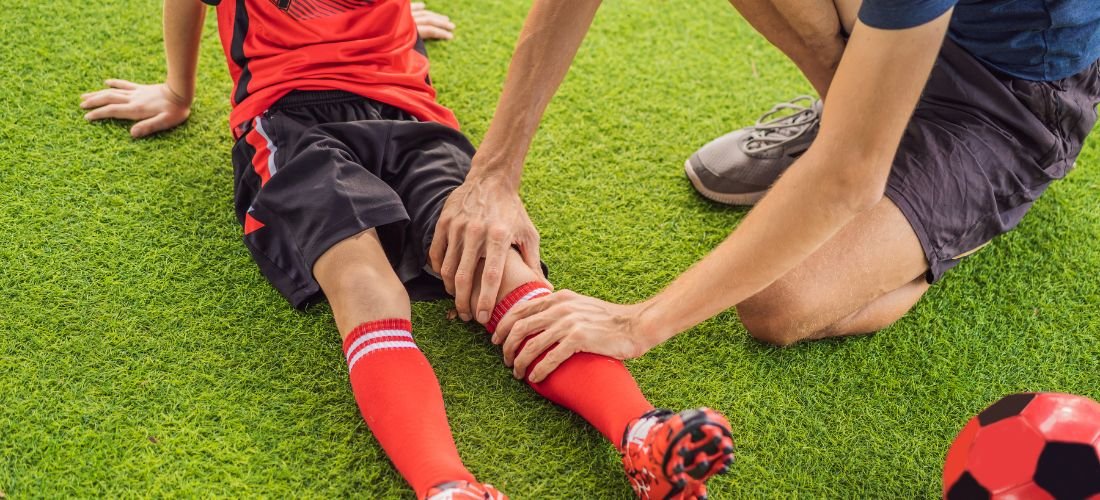
Sports can be a great thing, but can still cause injury if they practice incorrectly, don’t warm up, don’t wear proper equipment or do too much too quickly. It is, therefore, important that participation is made safe, for all sports programmes.
Safe equipment, age-appropriate activities, instruction and rest periods to be provided by coaches, schools and parents. It is also important to encourage children to talk to an adult if they are in pain or something is not feeling right.
The following are all components of a Safe Sports Routine:
- Proper warm-up
- Age-appropriate training
- Adequate hydration
- Suitable footwear and equipment.
- Rest and recovery
- Increases in training over time
- Safe playing conditions
- Appropriate supervision (if applicable)
This is not just about keeping kids active; it’s about keeping them active safely and without them losing their enjoyment.
FAQs
Q1. What are the positive health effects of sport for children on a long-term basis?
Ans. The advantages that sports have on the long-term health of children are:
- Increased bone and muscle strength
- Enhanced cardiovascular fitness
- Improved body composition
- Enhanced motor skills
- Improved brain health
- Reduced some chronic disease risk factors
Through regular activity, children can also learn to have a healthy lifestyle that can carry over into adulthood.
Q2. What is the relationship between physical activity and a child’s health?
Ans. Exercise is vital for children’s health and can contribute to the establishment of healthy lifestyle habits for children that will last a lifetime. This is associated with better fitness, bone and muscle health, cardio metabolic health, cognitive outcomes and mental health.
Q3. What should be the daily amount of exercise for children?
Ans. Children and youth (ages 5-17) should accumulate 60 minutes of moderate-to-vigorous physical activity (MVPA) each day across the week, according to the WHO guidelines. Three days a week for muscle strengthening and two days a week for bone strengthening exercises.
Q4. Are there connections between sports and reducing the risk of childhood overweight and diabetes?
Ans. Yes, exercise is extremely significant in children’s health and also to decrease the risk of type 2 diabetes and obesity factors. Growth and development rely upon nutrition, sleep, genetics and environment and lifestyle.
Q5. How would you rank the popular sport for a child’s health?
Ans. Not a single sport is ‘the right sport’ for all children. Football, swimming, badminton, basketball, tennis, athletics, cycling and active outdoor games are all healthy sports. The best sport is one that child likes and is age-appropriate and can be repeated safely.
Conclusion
The health value of sports is actually far greater than the potential for better performance in the game or greater fitness. Exercise promotes strong bones and muscles, healthy heart and lung function, coordination, brain health, mental health and healthy development. The advantage of being physically active is that it is a vital aspect for children’s development.
What is really good about sports is that it can help children develop a habit that they can carry with them. If children can be made to enjoy football, swimming, badminton, athletics, cycling or active play, they are not just exercising for a season—they are finding ways to keep active and moving all their lives.
Parents, schools and coaches have a role to play in ensuring opportunities for children to enjoy physical activities are positive, safe and fun. Ensuring that the focus is on participation, enjoyment, improvement and healthy development, not on winning all the games.
Finally, the most effective sports program is one that children will enjoy, be able to maintain and will be able to safely continue to follow as they develop. By getting them to develop early the habit of caring for their health through the practice of movement, they will have something of value that will endure on a level much higher than the match.