



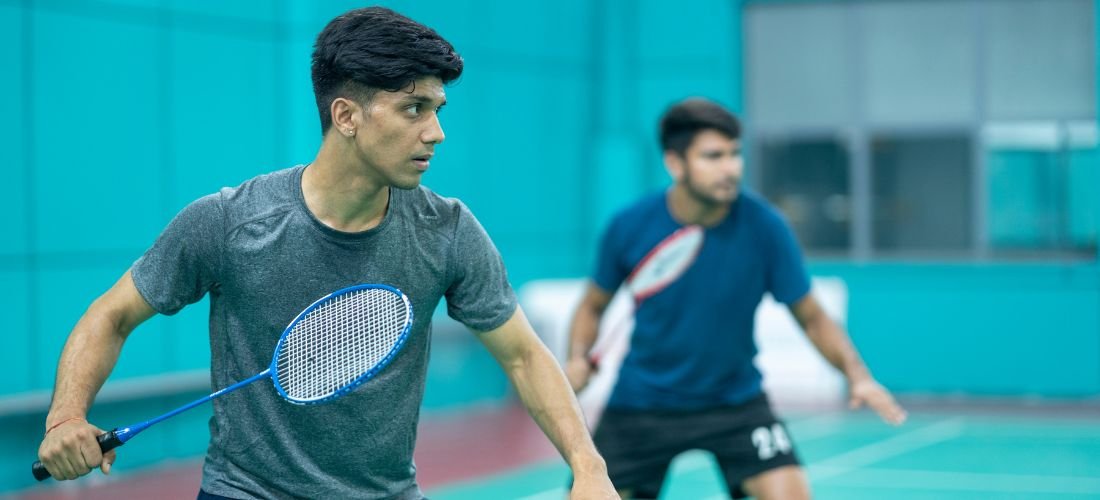
Top 8 Health Benefits of Playing Badminton Regularly
Badminton is one of the most popular sports for people of different ages. It is easy to start, requires relatively little equipment, and can be played casually or competitively. More importantly, playing badminton regularly can be a great way to stay active and improve both physical and mental well-being.
Unlike some workouts that can feel repetitive, badminton involves running, jumping, stretching, quick movements, and constant changes in direction. A single game can work several parts of the body while also keeping your mind focused on the shuttlecock and your opponent.
Whether you are a beginner, a parent looking for a sport for your child, or an adult who wants to improve fitness, badminton can be a practical addition to your routine.
In this article, we will look at the top 8 health benefits of playing badminton regularly, along with how the sport can improve fitness, coordination, heart health, strength, flexibility, and mental well-being.
1. Improves Cardiovascular Health
One of the biggest health benefits of playing badminton is improved cardiovascular fitness.
Badminton is an active sport that keeps you moving throughout a game. You may need to run from one side of the court to another, move forward and backward, jump for a shot, and quickly return to your position. These repeated movements can raise your heart rate and provide a useful cardiovascular workout.
Regular physical activity can help your heart and lungs work more efficiently. Over time, consistent badminton sessions can contribute to better stamina and overall cardiovascular fitness.
For people who spend many hours sitting at work, school, or home, playing badminton can be a fun way to add more movement to the day.
How badminton supports heart health
Regular badminton sessions can help:
- Improve cardiovascular endurance
- Increase overall physical activity
- Support better stamina
- Keep the body active
- Improve circulation
- Reduce the effects of a sedentary lifestyle
The intensity of a badminton game can vary depending on your age, fitness level, playing style, and whether you are playing singles or doubles. Beginners can start at a comfortable pace and gradually increase the intensity.
2. Helps Improve Muscle Strength and Tone
Badminton may look like a simple racket sport, but it uses many different muscle groups.
Your legs work continuously as you move around the court. Lunges, quick steps, jumps, and changes in direction require strength from the lower body. At the same time, your shoulders, arms, wrists, and upper body are involved in hitting the shuttlecock.
The core muscles also play an important role. A stable core can help you maintain balance while reaching for difficult shots or changing direction quickly.
Regular play can therefore contribute to better functional strength and muscle endurance.
Muscles used while playing badminton
Badminton involves:
- Leg muscles during running and lunging
- Core muscles during movement and balance
- Shoulder muscles during swings
- Arm muscles while hitting shots
- Wrist and forearm muscles during racket control
- Back muscles during movement and rotation
Badminton should not be considered a replacement for strength training, but it can complement other forms of exercise and help keep the body active.
3. Supports Weight Management
If you are trying to become more active or manage your weight, badminton can be a useful sport to include in your routine.
Because badminton involves continuous movement, it can increase your energy expenditure. The exact amount of energy used during a session depends on several factors, including body weight, playing intensity, duration, fitness level, and whether you are playing singles or doubles.
The important point is consistency.
Playing badminton once in a while may be enjoyable, but making it part of your weekly routine can help you maintain a more active lifestyle.
Badminton and an active lifestyle
You can combine badminton with other healthy habits such as:
- Walking or jogging
- Strength training
- Stretching
- A balanced diet
- Adequate sleep
- Regular hydration
For beginners, even two or three badminton sessions per week can be a good way to build a more active routine, provided the activity is appropriate for their fitness level.
Looking for a badminton court?
If you want to make badminton part of your weekly routine, having access to a convenient, well-maintained court can make it easier to stay consistent.
Gallant Play offers badminton court facilities where players can practice, play recreational matches, and enjoy the sport with friends or family.
Ready to get on the court? Explore badminton at Gallant Play and make your next game part of your fitness routine.
4. Improves Agility, Balance, and Coordination
Badminton is a fast-moving sport. The shuttlecock can change direction quickly, which means players need to react and move almost immediately.
This makes badminton particularly useful for developing agility, balance, hand-eye coordination, and body control.
For example, when an opponent hits the shuttle toward a corner, you need to judge its direction, move toward it, position your body correctly, and return the shot. All of these actions require your brain and body to work together.
Why coordination matters
Better coordination can help you:
- Control your body more effectively
- React faster to movement
- Improve footwork
- Maintain balance during quick movements
- Develop better hand-eye coordination
- Perform sports movements more efficiently
These skills can be especially useful for children because they are still developing fundamental movement abilities.
For adults, badminton provides a fun way to continue working on coordination and movement skills while staying active.
5. Increases Flexibility and Mobility
Badminton requires players to reach, stretch, bend, rotate, lunge, and move in different directions.
For example, reaching for a shot near the front of the court requires a deep lunge, while returning a high shuttle may require you to extend your arm and rotate your upper body.
Regular movement through different ranges of motion can support overall mobility and flexibility.
However, flexibility does not improve automatically just because you play badminton. A proper warm-up and regular stretching routine can complement your badminton sessions.
Simple habits before and after badminton
Before playing:
- Walk or jog lightly for a few minutes
- Perform dynamic leg movements
- Move your shoulders and arms
- Practice light footwork
- Start with easy shots
After playing:
- Walk slowly to cool down
- Perform gentle stretches
- Drink enough water
- Give your body adequate recovery time
A proper warm-up can also prepare your muscles and joints for the movements involved in the game.
6. Helps Reduce Stress and Supports Mental Well-Being
The health benefits of badminton are not limited to physical fitness. Playing a sport can also be good for mental well-being.
When you play badminton, your attention is focused on the game. You have to watch the shuttlecock, anticipate your opponent’s movements, decide where to hit, and move around the court.
This can provide a break from daily work, study, or screen time.
Physical activity is also associated with the release of chemicals in the brain that can support a better mood. For many people, exercising through a sport feels more enjoyable than following a repetitive workout routine.
Badminton can help you:
- Take a break from daily stress
- Stay mentally engaged
- Improve your mood
- Spend time away from screens
- Socialize with friends or teammates
- Build a healthy exercise habit
Playing doubles can provide an additional social benefit because you communicate and work with a partner during the game.
7. Builds Stamina and Endurance
If you are new to badminton, you may feel tired after only a short session. That is normal.
As you continue playing regularly, your body can gradually adapt to the physical demands of the sport. You may find that you can play for longer periods without feeling as tired as you did when you started.
This improvement in stamina can also make everyday physical activities feel easier.
For example, better endurance can help you stay active during:
- Walking
- Cycling
- Recreational sports
- Outdoor activities
- School or college activities
- Daily household tasks
The key is gradual progression. Beginners should not try to play at maximum intensity from the first day. Start comfortably and increase playing time and intensity as your fitness improves.
8. Supports Healthy Bones and Overall Physical Fitness
Weight-bearing and impact-based physical activities can contribute to maintaining healthy bones and physical function. Badminton includes movements such as walking, running, jumping, and lunging, which provide different types of physical loading.
For younger players, regular participation in sports can also help develop fundamental physical skills and encourage an active lifestyle from an early age.
For adults, staying physically active can help maintain strength, mobility, balance, and general fitness.
Badminton can therefore be part of a broader approach to staying active throughout different stages of life.
Health Benefits of Badminton for Kids
Badminton can be a good recreational sport for children when the training environment, equipment, and coaching are suitable for their age and ability.
Children can develop several physical and social skills through regular participation.
Some potential benefits include:
- Better hand-eye coordination
- Improved balance
- Greater agility
- Development of movement skills
- Improved physical fitness
- Teamwork and communication
- Confidence through learning new skills
- A healthier alternative to excessive screen time
Children do not need to become competitive players to benefit from badminton. Regular recreational play can also help them develop an interest in physical activity.
Parents should choose age-appropriate training and ensure that children learn basic movement and racket skills before progressing to more demanding drills.
Give Your Child a Healthy Sporting Routine
For parents looking for structured badminton coaching for kids, the right facility can make a difference. Regular coaching can help children learn proper footwork, racket control, movement, and game fundamentals in an organized environment.
At Gallant Play, children can participate in sports activities in a structured and engaging environment while developing their skills through regular practice.
Want to introduce your child to badminton? Connect with Gallant Play and find a suitable badminton option for your child.
Badminton vs Gym: Which Is Better for Fitness?
Badminton and gym workouts serve different purposes, so one is not necessarily better than the other.
A gym routine can be designed specifically for strength, muscle development, mobility, or cardiovascular training. Badminton, on the other hand, combines physical activity with skill, movement, reaction, and competition.
For someone who finds traditional workouts boring, playing badminton can make exercise more enjoyable.
You can also combine both.
For example:
Monday: Strength training
Wednesday: Badminton
Friday: Cardio or badminton
Weekend: Walking, cycling, or recreational activity
The best exercise routine is often one that you can follow consistently and enjoy.
How Often Should You Play Badminton?
There is no single schedule that works for everyone. Your ideal badminton routine depends on your age, fitness level, experience, goals, and recovery needs.
Beginners can start with 2–3 sessions per week and gradually increase their playing time.
A typical session may include:
- 5–10 minutes of warm-up
- Basic footwork or skill practice
- Practice rallies
- Games or match play
- Cool-down and stretching
If you are returning to exercise after a long break, start slowly rather than immediately playing long or highly competitive matches.
Tips to Stay Safe While Playing Badminton
Badminton is generally accessible, but like any physical activity, it carries some risk of injury, particularly when players suddenly increase their intensity.
Follow these simple habits:
Warm up properly
Do not start a competitive match immediately after walking onto the court. Give your body time to prepare.
Wear suitable shoes
Use badminton or court shoes that provide appropriate grip and support for quick lateral movements.
Learn proper technique
Correct footwork and racket technique can make movement more efficient and reduce unnecessary strain.
Stay hydrated
Drink water before, during, and after longer or more intense sessions.
Increase intensity gradually
If you are a beginner, avoid suddenly playing for several hours.
Listen to your body
If you experience significant pain, dizziness, or unusual symptoms, stop exercising and seek appropriate professional advice.
Why Choose Gallant Play for Badminton?
Choosing the right place to play can make regular badminton more convenient and enjoyable.
Gallant Play provides sports facilities designed for people who want to stay active, practice their skills, and enjoy sports with friends, family, or teammates.
Whether you are a beginner looking to start playing badminton or an experienced player who wants regular court time, making badminton part of your routine can be a simple way to stay active.
Ready to play? Visit Gallant Play to check badminton court options and make your next game part of your weekly fitness routine.
Frequently Asked Questions
1. Is playing badminton good for overall health?
Answer: Yes. Regular badminton can contribute to cardiovascular fitness, muscle endurance, agility, coordination, stamina, and general physical activity. The benefits depend on how often and how intensely you play.
2. Can badminton help with weight loss?
Answer: Badminton can contribute to weight management because it involves physical movement and uses energy. However, weight loss depends on overall energy balance, diet, activity level, sleep, and other individual factors.
3. Is badminton good for children?
Answer: Yes, badminton can be a useful recreational sport for children when training is age-appropriate and properly supervised. It can help develop coordination, agility, balance, and movement skills.
4. How many days a week should I play badminton?
Answer: Beginners can consider starting with two or three sessions per week and adjusting based on fitness and recovery. More experienced players may train more frequently.
5. Does badminton improve stamina?
Answer: Regular badminton can help improve stamina and endurance because the game involves repeated movement, running, lunging, and changes in direction.
6. Is badminton good for mental health?
Answer: Playing badminton can provide physical activity, social interaction, and a break from daily routines. These factors can support general mental well-being and help make exercise more enjoyable.
7. Can beginners start playing badminton?
Answer: Absolutely. Beginners can start with basic racket skills, movement, and simple rallies before progressing to competitive games. Professional or qualified coaching can help beginners develop proper technique.
Conclusion
Badminton is more than just a recreational game. When played regularly, it can provide a combination of cardiovascular activity, muscle movement, agility training, coordination, and mental engagement.
The top health benefits of playing badminton regularly include improved cardiovascular fitness, better muscle strength, support for weight management, improved coordination and balance, greater mobility, stress management, better stamina, and support for overall physical fitness.
Another major advantage is that badminton can be enjoyable. When people enjoy an activity, they are often more likely to continue doing it regularly.
Whether you want to introduce your child to a new sport, improve your fitness, or simply spend more time being active, badminton can be a practical choice.
If you are in Greater Noida West or nearby areas and looking for a place to play badminton, Gallant Play can be an option to consider for regular court time and sports activities.
Start playing, stay active, and make badminton a regular part of your lifestyle with Gallant Play.