



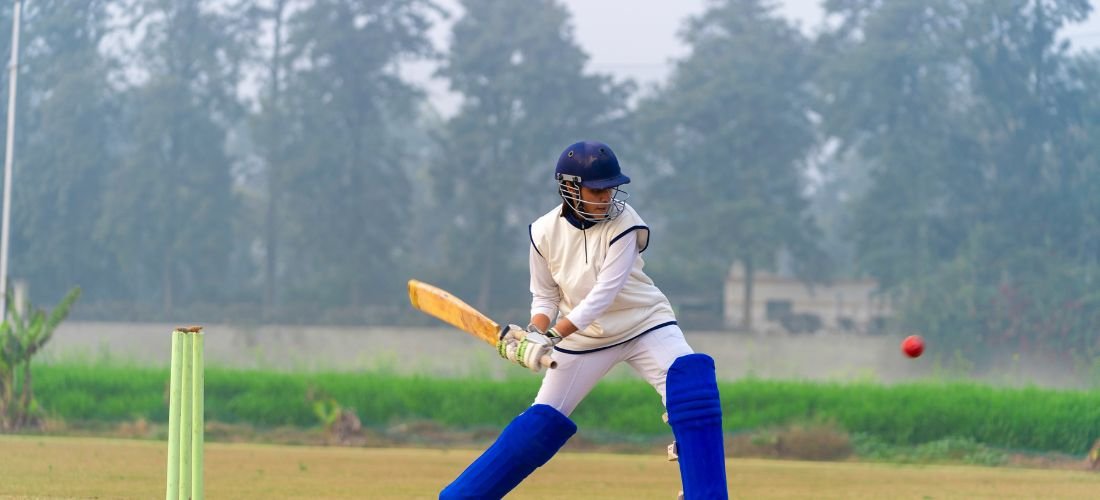
How to Play Cricket: A Beginner’s Guide
How to Play Cricket is one of the most searched topics by beginners who want to understand the basics of this exciting sport. Cricket is played between two teams, follows specific rules of cricket, and combines batting, bowling, and fielding skills. This beginner-friendly guide explains cricket rules in simple words, so even someone new to the game can understand and enjoy it.
Introduction to Cricket
Cricket is one of the most popular sports in the world, especially in countries like India, England, Australia, Pakistan, and South Africa. It is not just a game; for many people, it is an emotion. From street cricket played with friends to international matches watched by millions, cricket connects people of all ages.
For beginners, cricket may look confusing at first because of its unique terms like overs, wickets, innings, and LBW. But once you understand the basic rules of cricket and how the game flows, it becomes very enjoyable. This guide is written in simple language, just like a 10th-grade student would explain, with practical insights to help you truly understand how to play cricket from scratch.
What Is Cricket?
Cricket is a bat-and-ball game played between two teams of 11 players each. The main goal is simple:
- One team bats to score runs
- The other team bowls and fields to stop runs and take wickets
- Teams switch roles after an innings
- The team with more runs at the end wins
Cricket can be played in different formats, but the basic rules of cricket remain mostly the same.
Basic Equipment Needed to Play Cricket
Before learning the rules of cricket, it’s important to know the equipment used in the game.
Essential Cricket Equipment
- Cricket Bat – Used by the batsman to hit the ball
- Cricket Ball – Hard leather ball used by the bowler
- Stumps and Bails – Three stumps and two bails make a wicket
- Protective Gear:
- Helmet
- Batting gloves
- Pads
- Abdominal guard (box)
Beginners often start with tennis balls or soft balls, especially in casual or street cricket.
Cricket Ground and Pitch Explained
Understanding the field is an important part of learning how to play cricket.
Cricket Ground
- A large oval or circular field
- Boundary rope marks the edge of the field
Cricket Pitch
- Rectangular strip in the center
- Length: 22 yards (20.12 meters)
- Contains:
- Two sets of wickets (one at each end)
Players and Their Roles in Cricket
Each team has 11 players, and every player has a specific role.
Main Player Roles
- Batsman
- Scores runs by hitting the ball
- Bowler
- Throws the ball to get the batsman out
- All-Rounder
- Can bat and bowl well
- Wicket-Keeper
- Stands behind the stumps to catch the ball
- Fielders
- Stop runs and help take wickets
In real matches, teams are selected carefully to balance batting, bowling, and fielding.
How to Play Cricket: Step-by-Step
Now let’s understand how to play cricket step by step in a simple way.
1. Toss
- Before the match starts, captains toss a coin
- Winner decides:
- Bat first or
- Bowl first
2. Innings
- One team bats, the other bowls and fields
- An innings ends when:
- All 10 batsmen are out or
- Overs are completed (in limited-overs cricket)
3. Scoring Runs
Batsmen score runs by:
- Running between the wickets
- Hitting boundaries:
- 4 runs – Ball touches the ground before crossing boundary
- 6 runs – Ball crosses boundary without touching the ground
Rules of Cricket: Basic Batting Rules
Here are simple and important rules of cricket for batting:
- Two batsmen are on the pitch at a time
- Batsman must stay inside the crease
- Batsman can get out in several ways (explained below)
- Strike changes after:
- Odd number of runs
- End of an over
Rules of Cricket: How a Batsman Gets Out
Understanding wickets is key to learning cricket rules.
Common Ways a Batsman Can Be Out
- Bowled – Ball hits the stumps
- Caught – Fielder catches the ball without bounce
- LBW (Leg Before Wicket) – Ball hits leg before bat (with conditions)
- Run Out – Wicket broken before batsman reaches crease
- Stumped – Wicket-keeper breaks stumps when batsman is outside crease
- Hit Wicket – Batsman hits own stumps
For beginners, caught and bowled are the easiest to understand.
Rules of Cricket: Bowling Explained Simply
Bowling is how the fielding team tries to take wickets.
Basic Bowling Rules
- Bowler bowls 6 legal balls = 1 over
- Bowler must not cross the line (no-ball)
- Ball must be bowled with straight arm
- Different bowlers bowl different overs
Types of Bowlers
- Fast Bowler
- Medium Pace Bowler
- Spin Bowler (Off-spin, Leg-spin)
Extras in Cricket (Bonus Runs)
The batting team can also get runs without hitting the ball.
Types of Extras
- No-ball – Illegal delivery
- Wide ball – Ball too far to hit
- Bye – Runs when ball misses bat and body
- Leg-bye – Ball hits body (not bat)
Extras are an important part of cricket rules and often decide close matches.
Fielding Rules in Cricket
Fielding supports bowling and helps stop runs.
Key Fielding Rules
- Only certain number of fielders allowed outside circle (limited overs)
- Fielders must not distract batsman
- Catch must be clean (ball not touching ground)
Good fielding can change the match completely.
Cricket Match Formats Explained
Cricket is played in different formats. Understanding this helps beginners a lot.
Cricket Formats Table
| Format | Overs per Team | Duration | Popular Events |
|---|---|---|---|
| Test Cricket | Unlimited | 5 Days | Test Series |
| ODI | 50 Overs | 7–8 Hours | World Cup |
| T20 | 20 Overs | 3 Hours | IPL, World Cup |
For beginners, T20 cricket is the easiest and most exciting format to watch and play.
Basic Cricket Rules Every Beginner Must Know
Here are some must-know cricket rules in short:
- Match starts with a toss
- Each team bats and bowls once (or twice in Test)
- Runs decide the winner
- Over = 6 balls
- Wicket = getting batsman out
- Boundary = 4 or 6 runs
These basic rules of cricket are enough to start watching or playing the game.
Cricket Umpires and Their Role
Umpires control the match and ensure fair play.
What Umpires Do
- Decide outs
- Check no-balls and wides
- Control match discipline
- Use technology (DRS in big matches)
Respecting umpires is a key part of cricket culture.
Common Cricket Terms Beginners Should Know
Here are some popular cricket terms explained simply:
- Over – 6 balls
- Wicket – Getting a batsman out
- Crease – White line batsman must stay inside
- Boundary – Edge of the field
- Powerplay – Fielding restriction period
Learning these terms makes understanding cricket much easier.
Practical Tips for Beginners Learning Cricket
These tips come from real playing experience and watching beginners learn cricket.
Batting Tips
- Focus on timing, not power
- Watch the ball till the end
- Start with straight shots
Bowling Tips
- Aim at stumps
- Maintain a simple run-up
- Focus on line and length
Fielding Tips
- Always be alert
- Use both hands while catching
- Communicate with teammates
These small habits help beginners improve quickly.
Safety Tips While Playing Cricket
Cricket ball is hard, so safety is very important.
- Always wear protective gear
- Do not stand too close while fielding
- Warm up before playing
- Stay hydrated
Safety is part of good cricket practice.
Why Cricket Is a Great Sport for Beginners
Cricket is not just about winning. It teaches:
- Teamwork
- Discipline
- Focus
- Patience
- Fitness
This is why cricket is played in schools, academies, and local grounds across India.
Conclusion
Learning how to play cricket is much easier than it looks. By understanding the basic rules of cricket, player roles, the scoring system, and match formats, anyone can start enjoying the game. Cricket is a sport that grows on you—the more you play or watch, the more interesting it becomes.
This beginner’s guide is designed to give you real clarity, not confusion. Whether you want to play with friends, follow matches on TV, or teach someone else, these cricket rules explained in simple words will help you at every step. Take a bat, step onto the field, and enjoy the beautiful game of cricket.
FAQs:
1. Is cricket hard for beginners?
No. Once you understand the basic rules of cricket, it becomes simple and fun.
2. How many players are there in a cricket team?
Each team has 11 players.
3. What is the easiest cricket format for beginners?
T20 cricket is best for beginners because it is short and exciting.
4. How long does a cricket match last?
It depends on the format:
- T20: ~3 hours
- ODI: ~7 hours
- Test: 5 days
5. Can beginners play cricket without professional gear?
Yes, beginners often start with basic gear or tennis balls.