



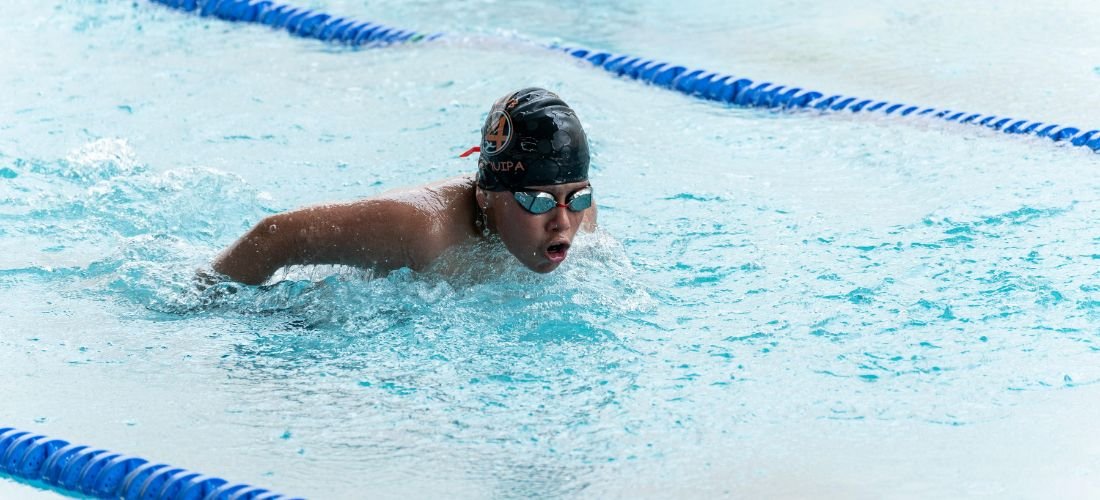
How to Swim: Step-by-Step Swimming Guide
Swimming is one of the best full-body activities for fitness, confidence, and safety. Whether you are learning for health, fun, competition, or simply to overcome fear of water, swimming is a skill that can benefit you for life.
Many beginners in India often ask, “How can I learn swimming easily?” The good news is that anyone can learn to swim with the right guidance, patience, and practice.
In this beginner-friendly guide, we will explain how to swim step by step, important swimming techniques, common mistakes to avoid, and tips that can help you become comfortable in the water faster.
Why Learning Swimming Is Important
Swimming is not just a sport. It is also an essential life skill. It improves fitness, builds confidence, and helps both children and adults stay active.
Some major benefits of swimming include:
- Improves full body strength
- Helps in weight management
- Increases stamina and flexibility
- Reduces stress and anxiety
- Improves breathing control
- Builds water safety skills
- Suitable for all age groups
If you want to understand more about the physical and mental advantages of swimming, you can also read our detailed guide on the benefits of swimming.
Things You Need Before Learning to Swim
Before entering the pool, make sure you have the right swimming essentials.
| Swimming Essentials | Purpose |
| Swimsuit | Comfortable movement in water |
| Swim Cap | Protects hair and improves hygiene |
| Goggles | Clear underwater vision |
| Kickboard | Helps beginners practice balance |
| Towel & Slippers | Comfort after swimming |
Beginners should always start in a supervised swimming pool with a trained coach.
Step-by-Step Guide on How to Swim
Learning swimming becomes easier when you focus on one skill at a time instead of rushing.
Step 1: Get Comfortable in Water
The first step is becoming relaxed in the pool. Many beginners struggle because of fear or panic.
Start by:
- Standing in shallow water
- Splashing water on your face
- Slowly walking in the pool
- Practicing breathing exercises
The goal is to feel calm and natural in water.
Step 2: Learn Breathing Techniques
Breathing is one of the most important parts of swimming.
Practice this simple drill:
- Inhale through your mouth outside water
- Put your face inside water
- Exhale slowly through your nose
- Repeat multiple times
Proper breathing helps improve confidence and stamina while swimming.
Step 3: Practice Floating
Floating teaches body balance in water.
There are two common types:
- Front Float
- Back Float
Keep your body relaxed and straight while floating. Beginners often become stiff due to fear, which makes floating difficult.
A coach or kickboard can help during the initial practice.
Step 4: Learn Kicking Techniques
Kicking helps you move through water smoothly.
For beginners:
- Hold the pool edge or kickboard
- Keep legs straight but relaxed
- Move legs up and down gently
- Avoid bending knees too much
Consistent kicking practice improves balance and body coordination.
Step 5: Learn Basic Arm Movements
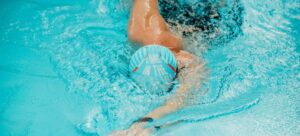
Once you are comfortable with floating and kicking, start practicing arm strokes.
The most beginner-friendly stroke is freestyle swimming.
Basic freestyle arm movement:
- Extend one arm forward
- Pull water backward
- Repeat with the other arm
- Coordinate with breathing
Focus on rhythm rather than speed.
Step 6: Combine Breathing, Kicking, and Arm Movements
This is where actual swimming starts.
Try combining:
- Steady kicks
- Smooth arm strokes
- Controlled breathing
Do not worry about perfection in the beginning. Consistency is more important.
Best Swimming Strokes for Beginners
Different swimming styles require different techniques. Beginners usually start with simple strokes.
| Swimming Stroke | Difficulty Level | Best For |
| Freestyle | Easy | Beginners |
| Backstroke | Easy | Balance & relaxation |
| Breaststroke | Medium | Controlled swimming |
| Butterfly | Advanced | Competitive swimmers |
Freestyle is usually recommended for first-time learners because it is easier to practice and improves stamina.
Common Mistakes Beginners Make While Learning Swimming
Many new swimmers make similar mistakes during training.
1. Holding Breath Too Long
This creates panic and body stiffness.
2. Fear of Water
Fear slows down progress. Confidence builds gradually with practice.
3. Moving Too Fast
Beginners should focus on technique first, not speed.
4. Incorrect Body Position
Keeping the body too vertical makes swimming difficult.
5. Skipping Professional Guidance
A trained swimming coach can correct mistakes early and improve learning speed.
How Long Does It Take to Learn Swimming?
This depends on:
- Age
- Confidence level
- Practice frequency
- Coaching quality
Most beginners can learn basic swimming within a few weeks with regular practice.
Children often learn faster because they adapt to water more naturally, while adults may take more time due to hesitation or fear.
Tips to Learn Swimming Faster
Here are some practical tips that can help beginners improve quickly:
- Practice regularly
- Stay relaxed in water
- Listen carefully to your coach
- Focus on breathing control
- Avoid comparing yourself with others
- Start slowly and build confidence gradually
Consistency matters more than intensity.
Is Swimming Safe for Beginners?
Yes, swimming is safe when practiced properly under supervision.
Safety tips:
- Never swim alone
- Use proper swimming gear
- Learn in a supervised pool
- Avoid deep water initially
- Follow coach instructions carefully
Why Professional Swimming Training Matters
Learning swimming through proper coaching helps you:
- Improve technique faster
- Avoid bad habits
- Build confidence safely
- Learn water safety skills
- Progress toward advanced swimming
Professional training also makes the learning experience more structured and enjoyable.
Final Thoughts
Swimming is a valuable life skill that improves fitness, confidence, and overall health. Every beginner starts with small steps, and with regular practice, swimming becomes easier and more enjoyable.
The key is patience, consistency, and learning the right techniques from the beginning.
Whether you are a child, teenager, or adult, it is never too late to learn how to swim.
Frequently Asked Questions
1. Can I learn swimming without a coach?
Answer: Yes, but professional coaching helps you learn faster and more safely.
2. What is the easiest swimming stroke for beginners?
Answer: Freestyle is generally considered the easiest stroke for beginners.
3. How many days does it take to learn swimming?
Answer: Basic swimming can usually be learned within a few weeks with regular practice.
4. Is swimming good for weight loss?
Answer: Yes, swimming is an excellent full-body workout that helps burn calories and improve fitness.
5. Can adults learn swimming easily?
Answer: Absolutely. Adults can learn swimming successfully with patience and proper guidance.