



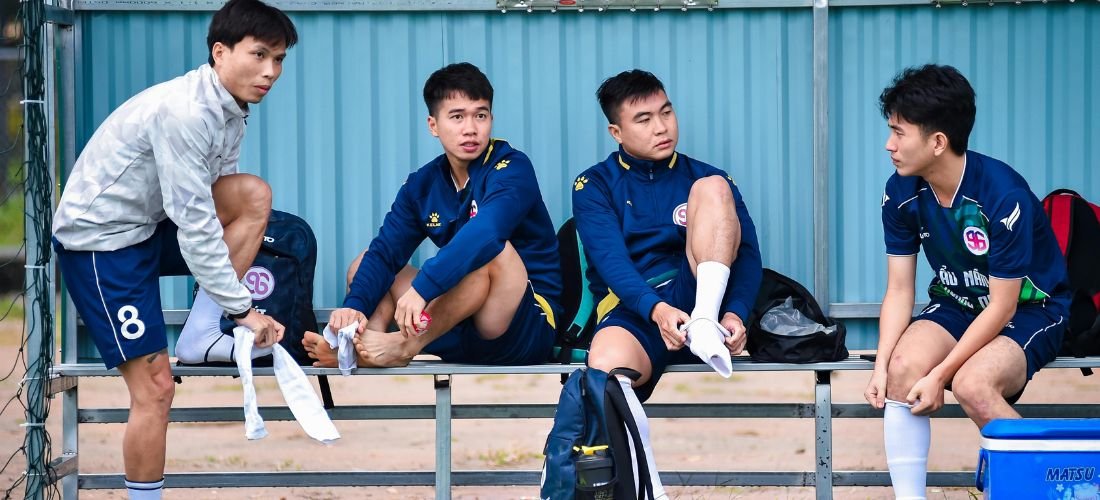
The choice of the right football academy in South Delhi can go a long way in shaping the careers of young players. A quality academy is more than just an institution where children learn to kick a ball. It enables them to develop their technical abilities, learn the game, become active and gain confidence as a result of regular football training sessions.
If you’re looking for football coaching in South Delhi, football classes in South Delhi or even a football academy near me, it is important to not just consider the location. An appropriate coaching climate, playing surface, age group and training model all have the potential to affect a child’s enjoyment and learning of the game.
This guide provides information for parents and young footballers about what to expect in a football academy and the benefits of football training for children.
Why go to a Football Academy in South Delhi?
Many children and teenagers enjoy playing football. Schools, football grounds, training centres and sport facilities are available in South Delhi to facilitate young players to learn the game in a controlled environment.
Just because they are located near a football ground, however, does not mean that it is the ideal location for coaching. Some of the best football academies will offer the players a structured training program that will enable players to develop gradually.
Why should coaches consider structuring their football coaching?
Football is taught best in an age-appropriate way with the levels of training appropriate to the child’s ability. The activities are typically designed for younger children to develop their movement, coordination and basic ball control skills and for older players to develop their tactical and match-based skills.
Structured coaching can help the player to develop:
- Ball control and first touch
- The passing and receiving skills
- Dribbling
- Shooting techniques
- Movement without the ball
- Defensive awareness
- Teamwork
- Fitness and coordination
- Match understanding
- Confidence
To become a professional footballer overnight should not be the aim. The first step to good coaching is to make children enjoy the game and eventually build their skills.
What matters when recruiting coaches in Football in South Delhi?
Choosing a football coaching in South Delhi can sometimes be very difficult given all the options available. While looking for a home care agency to hire, it’s helpful to compare the entire training program, not just the advertisement or distance.
A successful football academy will normally work within a suitable playing surface, a group of age-appropriate players and offer a regular opportunity for them to practise what is learnt.
-
Qualified and experienced coaches
The coach is the person who has the most influence on a young player’s development. Children require someone to able to explain football in a simple manner, and provide a positive learning environment.
Good coaches do not have players doing drills for an hour. They should get children to appreciate the purpose of their training and how they will apply it in the game.
Seek coaching with the following:
- Clear explanations
- Demonstration of skills
- Individual feedback
- Age-appropriate activities
- Regular skill development
- Match-based learning
- Encouragement and discipline
Coaches also should be reviewed by parents in terms of their interactions with young players. Strict is not the same as productive to learn.
-
Age-Appropriate Football Classes
Children develop and learn at various rates. A 5-year-old who has played for a couple of years is not always the same level as a 14-year-old who has been playing for a few years.
In a well organised academy, they typically have players grouped so that they are in a group that is appropriate for them.
| Age Group | Main Training Focus |
| 4–6 years | Familiarity with basic ball skills, movement and coordination |
| 7–9 years | Dribbling, passing and simple game understanding |
| 10–12 years | Technical skills, positioning and decision-making |
| 13–15 years | Tactical awareness, fitness and match situations |
| 16+ years | Advanced training and competitive development |
This could vary between individual academies. The fundamentals of training, however, remain the same: training must be appropriate to the developmental stage of the player.
What is a typical football training session for kids?
Many parents out there on the internet who are looking for information on football training for children, but don’t quite know what a coaching session should consist of. A session typically involves movement, practice, understanding of the game and play.
Training should not be an exam in school. It should also be more focused than just putting kids into groups and having them play for an hour.
A typical football session may include the following:
1 Taking part in warm-up and movement activities
Players work on preparation of their bodies using simple movements and exercises.
- Ball mastery drills
Children practise controlling and moving the ball.
- Technical development
It can concentrate on a passing skill, dribbling, receiving or shooting.
- Small-sided games
Smaller games provide greater touches on ball for each player.
- Match situations
Learners develop decision making skills.
- Cool-down and feedback
Coaches can share their thoughts of what they learned in the session.
This kind of structure aids players link training activities with actual football situations.
Small-Sided Games are beneficial to young players for many reasons
Young footballers need frequent involvement in the game. In a large game, children may be on the ball for a long period of time and not be playing it.
This can be overcome by playing small sided games that provide increased opportunities for passing, dribbling, defending and decision making.
Children can benefit from bettering their skills in these games:
- Ball touches
- Awareness
- Passing
- Communication
- Decision-making
- One-on-one skills
- Confidence
This is one of the big reasons why coaching is much more important than having a big field.
A football field is a crucial element in South Delhi when picking a location
The state of a football ground may have an impact on training. Players and parents looking for a football turf in South Delhi might encounter various types of playing fields, such as natural grass, artificial turf, and multi-purpose fields.
The type of football surface should be chosen depending on the level and frequency of use.
Artificial Football Turf has many advantages
Artificial turf can help for high usage football facilities, as it can offer regular training and multiple sessions during the week.
Some potential benefits include:
- Improved playing conditions in the vicinity of the field
- More accessibility on peak times
- Minimized reliance on the natural sod crop
- Capacity to enable regular training.
- A variety of sizes and choices for the fields
- Reduce downtime for worn out grass sites
The overall quality of the complete turf system is of concern, however. The only part that is visible are the grass fibres.
An optimally designed football turf can also have:
- A suitable base
- Drainage layers
- Shock-absorbing components
- Turf fibres
- Infill, where required
- Fasten edging and seaming
It is important to note that when selecting turf for a football training area, the entire sports infrastructure system that will be used should be taken into account and not the appearance of the turf alone.
How to select the right Football Academy Near Me?
When parents look for a football academy near me, it’s usually the initial step. Location is important as it makes it easier to come to the academy regularly if it is reasonably accessible.
But sometimes the most convenient school is not the most suitable. If there is a bigger difference between the quality of training, structure of coaching and the facility then a longer travel time may be worth it.
Before joining, there are some questions that should be asked
When considering sign-up to an academy, please ask the academy:
- In what age groups do you train?
- How many sessions are there each week?
- How many training sessions will be conducted and what will be the duration?
- What is the experience or qualifications of the coaches?
- Are beginners welcome?
- Does it have a trial or demo session?
- How many players are there in each batch?
- Are matches and/or tournaments organised in the academy?
- Is the training surface suitable for football?
- How do players’ progress and development get tracked?
These questions may assist you gauge the various football classes in South Delhi in a practical way.
Which Football Academy is right, Beginner or Advanced?
All children who enrol in football coaching aren’t equal. Some may be playing their first football game; others may already be playing regularly at school or with their local team.
A good academy should have the ability to provide support to players at various stages of their development.
This is an excellent instructional guide for beginners to learn
Advanced skills should not be expected to be mastered in the beginning. The initial sessions should concentrate on getting players familiar with the ball and basic movement.
Training may include:
- Basic dribbling
- Simple passing
- Receiving the ball
- Coordination exercises
- Shooting basics
- Small games
The objective is to be confident and enjoying yourself.
This course is designed for Intermediate and Advanced Players
More advanced players will require more challenges and tactics.
Training may include:
- Position-specific movement
- Pressing and defending
- Attacking patterns
- Combination play
- Decision-making under pressure
- Match analysis
- Higher-intensity drills
Ideally, the training challenge will be changed as the player develops.
How many times a week should kids attend their football classes?
The number of times to train depends on a combination of factors: child’s age, experience, school timetable and level of physical activity.
Two or three structured sessions weekly may be a good starting point for many beginning youngsters. For older or more experienced players, training could be more frequent according to their aims and programme offered.
What’s important is consistency. Playing the game one session is fun and a few sessions will help players improve; however, players are more likely to benefit from regular sessions.
Some examples of a balanced weekly schedule are:
| Activity | Example Frequency |
| Football coaching | 2–3 sessions per week |
| Match or game play | 1–2 times per week |
| Rest and recovery | Regularly included |
| Other physical activities | Based on age and schedule |
Children should also be given sufficient time to attend school, have rest, family life and be interested in other activities.
Joining football classes in South Delhi is beneficial in many ways
Football is not just a game of learning skills or winning games. Child participation regularly can aid children in developing physically and socially.
Physical Benefits
Running, turning, acceleration and movement to and from the ball are all skills players use when playing football. Exercise helps ensure general fitness and co-ordination.
Children may develop:
- Better stamina
- Improved coordination
- Balance
- Agility
- Lower-body strength
- General fitness
The Mental and Social Benefits category includes a variety of items, such as:
Children are also learning how to work cooperatively as they play football. Communication, instruction, decision making and adapting to the situation are essential for the players.
The game can be used to foster development of:
- Confidence
- Discipline
- Patience
- Teamwork
- Communication
- Resilience
- Responsibility
Children can’t become professional footballers, but the skills they engage in during frequent sports activities can come in handy all through the way of life.
Here are some things to look for when watching a trial session:
Parents should take advantage of a trial or demonstration session, if it is available, to see more than just the facility at the academy.
Observe the coach’s behaviour towards the players and the reactions of the children in response to the training session.
Search for these Signs
- Children are engaged in their learning
- Clear and easy to follow instructions
- The players are treated in a respectful manner
- Training activities are appropriate for age group
- The safety of students is a top priority
- The session is well organised
- To provide ball possession time
- The environment is conducive, firm and positive
While a quality facility will be of great value, quality coaching will not be eliminated from the final consideration.
What you can do at home to help your child’s football experience
It is not required that parents take on the role of football coaches. Often the greatest help is to remind children that the process is enjoyable and to stick to it.
The following are some simple ways that parents can help.
- Encourage regular attendance
- Avoid excessive pressure
- Provide adequate rest for kids
- Ensure appropriate footwear and equipment is provided
- Praise effort, rather than success
- Give children the opportunity to learn from their mistakes
- Help members of the group behave well and work together
There is a difference between the growth rate of younger players. When comparing children to each other, it can often put undue pressure.
The objective should be to develop over time and not for immediate results.
Football Academy in South Delhi: Factors to consider before joining
It’s worthwhile to compare a number of the football academies that you have narrowed it down to on a simple checklist before you make your decision.
| Factor | What to Check |
| Location | Can you travel regularly to get there? |
| Coaches | Are they experienced of playing with younger players? |
| Age groups | Is your child in a right batch? |
| Training structure | Is there a planned training curriculum? |
| Playing surface | Is the field suitable and well maintained? |
| Batch size | Will players receive enough attention? |
| Schedule | Does it fit school and family routines? |
| Match exposure | Are there opportunities to apply training? |
| Trial session | Is there a trial session before joining? |
| Safety | Do supervision and facilities allow for safety? |
This can help you to reach a better choice than the one based on the price or distance.
FAQs
Q1. Which age is the best to enter a football academy?
Ans. Academies will typically allow children to start football training as early as 4-6 years. Training should be based on the enjoyment of the game, movement and coordination skills, and basic ball skills at this stage, not on intense competition.
Q2. How much does football coaching in South Delhi cost?
Ans. The rates of football coaching in south Delhi may differ from one academy to other, depending on the coaching programme, the number of sessions, facilities provided, the age group of the players and the location of the academy. Parents should also enquire about any extra fees or charges for participation in tournaments, kits or registration.
Q3. For how many days of a week should a child go to football training?
Ans. Two or three sessions a week may be sufficient for beginning players. The schedules will be different for children based on their age, fitness, school needs and objectives.
Q4. Would learners with little experience be able to attend football classes in south Delhi?
Ans. Yes, there are lots of football programs available for the novices. Teach basics (ball control, passing, dribbling, movement and shooting) in a simple and supportive environment in a good beginner programme.
Q5. What is my child supposed to wear during their football training?
Ans. They typically require comfortable sports attire, appropriate football shoes, socks and shin guards. Specific shoes might vary according to the surface on which the training is performed, whether on natural grass, artificial turf or any other kind of sports surface.
Conclusion
Selecting the best football academy in South Delhi isn’t just a matter of location. A structured training programme should be provided, joined by experienced coaches, appropriate age groups and a safe environment that enables children to enjoy playing the game, in a good academy.
If you are in search of football coaching in South Delhi, football classes in South Delhi or football training for kids, be sure to shop around. See a session to ask questions, know the training structure and ensure that the programme is suitable for your child’s age and objectives.
A right football environment can enable the child to develop technical skills, confidence, discipline, fitness and teamwork. It should most importantly instil a lifelong passion for the game.
The football turf in South Delhi can also be an important factor for sports organizations, schools and academies who want to develop or upgrade their football training facility. With a good playing surface, adequate installation and maintenance, a more uniform environment can be achieved for repeated training of football players in the development of their skills.