



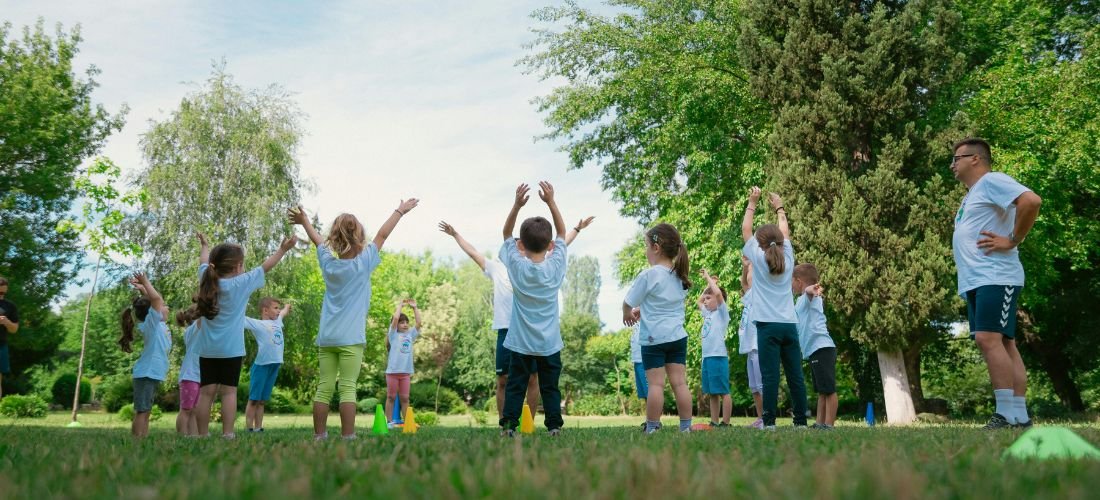
Top Benefits of Playing Sports During Summer for Kids
Summer vacation is a time every child eagerly waits for. Schools are closed, homework is reduced, and children finally get the freedom to enjoy their days. However, many parents struggle to keep their kids engaged in meaningful activities during this break. This is where the benefits of playing sports in the Summer for Kids become extremely important. Participating in sports during summer helps children stay active, healthy, and productive while learning valuable life skills that support their overall growth.
At Gallant Play, we believe that sports are much more than just games. They help children build confidence, improve fitness, develop discipline, and create lifelong healthy habits. Whether it’s football, basketball, cricket, skating, or athletics, summer is the perfect season for kids to discover the joy of sports.
Why Summer Is the Perfect Time for Sports
Unlike the school year, summer vacations offer children extra free time. Instead of spending long hours on mobile phones, video games, or television, kids can use this time to learn new skills, improve fitness, and enjoy outdoor activities.
Summer sports programs provide a structured routine that keeps children physically active while allowing them to have fun. This balance between enjoyment and development is one of the biggest reasons parents are increasingly enrolling their children in sports training programs.
Benefits of Playing Sports for Kids at a Glance
| Benefit | How It Helps Kids |
|---|---|
| Physical Fitness | Improves strength, stamina, flexibility, and coordination |
| Mental Health | Reduces stress and improves mood |
| Confidence Building | Helps children believe in their abilities |
| Social Skills | Encourages teamwork and communication |
| Discipline | Develops routine and responsibility |
| Focus & Learning | Improves concentration and memory |
| Healthy Habits | Promotes active lifestyles and better sleep |
| Talent Discovery | Helps children explore different sports |
| Reduced Screen Time | Encourages outdoor activity |
| Fun & Productivity | Makes summer vacations meaningful |
1. Improves Physical Fitness and Overall Health
One of the most obvious benefits of playing sports is improved physical fitness.
Children today are often less active than previous generations. Many spend hours sitting indoors, which can contribute to weight gain, poor posture, and lower energy levels.
Sports help children:
- Build muscle strength
- Improve endurance
- Increase flexibility
- Enhance balance and coordination
- Maintain a healthy body weight
- Improve cardiovascular health
Running, jumping, sprinting, and practicing sports movements naturally exercise different parts of the body. Unlike traditional workouts, sports make fitness enjoyable, which encourages children to stay active consistently.
Parents often notice that children who participate in sports become more energetic and physically stronger over time.
2. Reduces Excessive Screen Time
One of the biggest challenges modern parents face is managing screen time.
Children frequently spend hours on:
- Mobile phones
- Tablets
- Video games
- Television
- Social media platforms
Excessive screen exposure can impact sleep quality, concentration, and physical activity levels.
Sports provide a healthy alternative.
When children are engaged in football practice, basketball drills, cricket matches, or skating sessions, they naturally spend less time on digital devices.
This reduction in screen dependency is one of the most practical benefits of playing sports for kids during summer vacations.
3. Builds Confidence and Self-Esteem
Confidence plays a major role in a child’s development.
Sports create opportunities for children to:
- Learn new skills
- Achieve personal goals
- Participate in competitions
- Improve their performance
- Overcome challenges
Every successful pass, goal, shot, run, or achievement contributes to a child’s self-belief.
Even when children make mistakes, sports teach them how to recover, improve, and try again. This resilience helps build confidence not only on the field but also in academics and everyday life.
Children who regularly participate in sports often become more comfortable expressing themselves and taking on new challenges.
4. Teaches Discipline and Responsibility
Discipline is one of the most valuable life skills children can develop.
Sports naturally introduce discipline through:
- Regular practice schedules
- Following instructions
- Arriving on time
- Respecting rules
- Maintaining consistency
Summer vacations can sometimes lead to irregular sleeping patterns and unstructured days. Sports training provides a healthy routine that keeps children organized and productive.
Over time, these habits often carry over into school, helping children manage their studies and responsibilities more effectively.
5. Improves Social Skills and Teamwork
Many sports involve working closely with teammates and coaches.
This environment teaches children how to:
- Communicate effectively
- Work toward common goals
- Support teammates
- Respect different perspectives
- Resolve conflicts positively
Friendships formed through sports are often stronger because children learn to trust and depend on each other.
For shy children, sports can be especially beneficial. Participating in group activities helps them become more comfortable interacting with others and building meaningful relationships.
Among all the benefits of playing sports for kids, improved social development is one of the most noticeable.
6. Supports Better Mental Health
Physical activity has a direct impact on mental well-being.
During sports activities, the body releases chemicals called endorphins, often referred to as “feel-good hormones.”
These help:
- Improve mood
- Reduce stress
- Lower anxiety
- Increase happiness
- Improve emotional balance
Children face their own forms of stress, whether related to school, friendships, or personal challenges.
Sports provide a positive outlet for energy and emotions, helping children feel more relaxed and mentally refreshed.
Parents frequently report that active children appear happier and more emotionally stable.
7. Enhances Focus and Academic Performance
Many people assume that spending more time studying automatically leads to better academic performance.
However, research consistently shows that physical activity supports brain function.
Sports can improve:
- Concentration
- Memory retention
- Problem-solving skills
- Decision-making ability
- Cognitive performance
When children exercise regularly, blood flow to the brain increases, supporting mental alertness and learning.
This means the Benefits of Playing Sports Summer for Kids often continue well beyond the vacation period and into the classroom.
8. Helps Children Discover Hidden Talents
Summer provides an excellent opportunity for exploration.
Without the pressure of school schedules, children can experiment with different sports and activities.
Some may discover a passion for:
- Cricket
- Football
- Basketball
- Athletics
- Skating
- Badminton
- Tennis
- Swimming
Many successful athletes began their journey simply by trying a sport during childhood.
Even if children do not pursue sports professionally, discovering activities they genuinely enjoy contributes to lifelong fitness and happiness.
9. Develops Leadership Skills
Leadership is not something children learn overnight.
Sports provide numerous opportunities for young athletes to develop leadership qualities.
Children learn how to:
- Take initiative
- Encourage teammates
- Make decisions under pressure
- Accept responsibility
- Lead by example
Whether serving as a team captain or simply motivating friends during practice, sports help children develop confidence in leadership roles.
These skills remain valuable throughout school, college, and future careers.
10. Encourages Healthy Lifestyle Habits
Children who participate in sports are more likely to adopt healthy behaviors.
These habits often include:
- Regular exercise
- Better sleep schedules
- Improved hydration
- Balanced nutrition
- Reduced sedentary behavior
Healthy habits formed during childhood often continue into adulthood.
This long-term impact is one of the most significant benefits of playing sports because it contributes to lifelong health and wellness.
11. Improves Time Management Skills
Sports require children to balance multiple responsibilities.
They learn how to manage:
- Practice sessions
- Schoolwork
- Family commitments
- Personal activities
By balancing these responsibilities, children become better at organizing their time.
Strong time management skills can benefit them throughout their academic and professional lives.
12. Teaches Children How to Handle Success and Failure
Life does not always go according to plan.
Sports expose children to both victories and defeats.
They learn:
- How to celebrate success respectfully
- How to accept losses gracefully
- How to learn from mistakes
- How to stay motivated after setbacks
These lessons help children build emotional resilience and prepare them for future challenges.
Learning how to handle failure constructively is a skill that many successful adults credit to their experiences in sports.
13. Creates Lifelong Friendships
Summer sports camps and training programs bring together children from different schools and backgrounds.
Shared experiences often lead to strong friendships.
Through sports, children:
- Meet new people
- Develop trust
- Learn cooperation
- Build lasting social connections
Many lifelong friendships begin on sports fields and courts.
14. Makes Summer Vacations More Productive
Without planned activities, children may spend most of their summer indoors.
Sports provide structure and purpose.
Children stay:
- Active
- Engaged
- Motivated
- Productive
Instead of feeling bored during vacation, they spend their time developing skills, making friends, and enjoying healthy activities.
This combination of fun and growth makes sports one of the most rewarding summer experiences.
Choosing the Right Sport for Your Child
Every child is unique.
Parents should consider:
Team Sports
- Football
- Cricket
- Basketball
- Hockey
Best for children who enjoy social interaction and teamwork.
Individual Sports
- Athletics
- Swimming
- Skating
- Tennis
Ideal for children who enjoy personal challenges and self-improvement.
The most important factor is allowing children to explore and discover what they genuinely enjoy.
Why Sports Training Matters
Professional sports training helps children:
- Learn proper techniques
- Avoid injuries
- Build skills faster
- Receive expert guidance
- Stay motivated
Qualified coaches provide structured development that helps children improve safely and effectively.
At Gallant Play, our focus is on creating an environment where children can learn, grow, and enjoy sports while building confidence and character.
Why Parents Choose Gallant Play
Parents trust Gallant Play because we focus on both athletic development and personal growth.
Our programs are designed to help children:
- Improve fitness
- Learn discipline
- Build confidence
- Develop teamwork skills
- Stay active during vacations
- Enjoy a safe and supportive environment
We believe sports should be fun, engaging, and accessible for every child.
Frequently Asked Questions
1. Why are sports important during summer vacations?
Answer: Sports help children stay physically active, reduce screen time, improve fitness, and develop important life skills during their free time.
2. What are the main benefits of playing sports for kids?
Answer: The main benefits include better physical health, confidence, discipline, teamwork, social development, mental well-being, and improved focus.
3. Which sports are best for children in summer?
Answer: Football, cricket, basketball, swimming, athletics, skating, tennis, and badminton are popular choices for summer training.
4. Can sports improve academic performance?
Answer: Yes. Regular physical activity supports concentration, memory, and cognitive function, which can positively impact learning.
5. At what age should children start playing sports?
Answer: Most children can begin participating in age-appropriate sports activities between the ages of 4 and 6, depending on the sport and their interests.
Final Thoughts
The benefits of playing sports in the summer for kids extend far beyond physical fitness. Sports help children become healthier, more confident, socially active, disciplined, and emotionally resilient.
Summer vacation is one of the best opportunities for children to explore new activities, develop lifelong habits, and discover their potential. Whether they choose football, basketball, cricket, skating, or another sport, the lessons learned through sports often stay with them for life.
At Gallant Play, we encourage parents to use summer vacations as a chance to introduce children to the world of sports. The skills, friendships, confidence, and healthy habits they develop today can positively influence their future for years to come.