



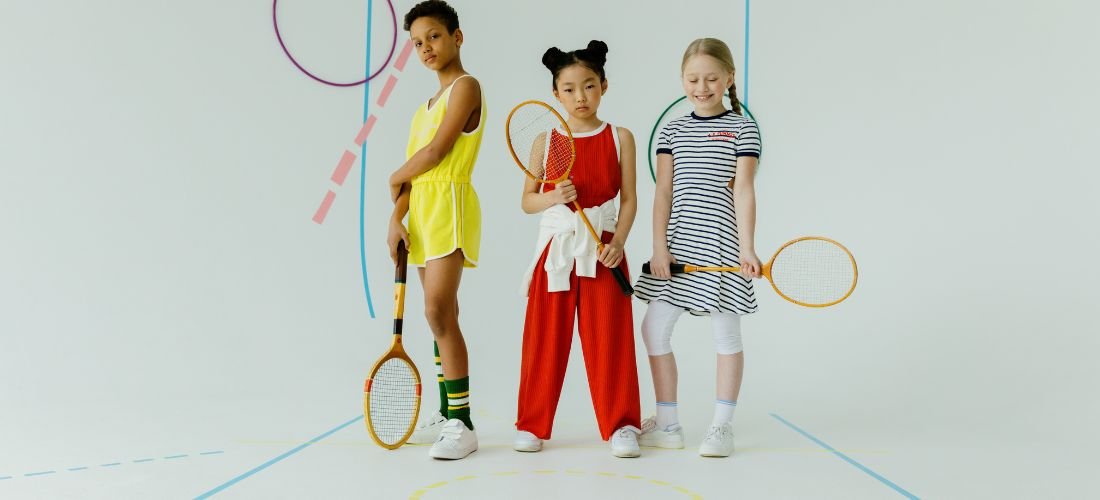
Kids’ Badminton Class Age Guide: What Suits Your Child?
Choosing the right sport for your child can make a big difference in their physical development, confidence, and daily routine. Badminton is a great option for children because it combines movement, coordination, focus, and fun. Whether your child is just starting to play or already enjoys hitting a shuttlecock with friends, the right badminton class can help them develop their skills step by step.
However, many parents have questions before enrolling their children. What is the best age to start badminton? Should a five-year-old join a class? Is badminton suitable for children aged 8 to 12? Can teenagers start learning without any previous experience?
The good news is that there is no single perfect age for every child. Some children are ready for basic badminton activities at five or six, while others benefit from starting structured coaching a little later.
In this guide, we will explain the suitable age for kids’ badminton classes, what children can learn at different stages, how to choose the right coaching program, and what parents should consider before enrolling their child.
1. What Is the Best Age to Start Badminton for Kids?
Most children can begin introductory badminton activities around the age of 5–7 years. At this stage, the main goal should be to help them enjoy the sport, develop basic coordination, and become comfortable holding a racket.
Children aged 8–12 can generally work on more structured badminton skills, including racket control, footwork, serving, and basic rallies. Teenagers can also start learning badminton, whether they want to improve their fitness, enjoy recreational games, or work towards competitive play.
The right starting age depends on several factors:
- Interest: Does your child enjoy playing with a racket or trying new sports?
- Coordination: Can your child follow a moving shuttlecock and make simple racket movements?
- Attention: Can they listen to basic instructions and participate in a group activity?
- Physical readiness: Can they move comfortably, maintain balance, and take part in age-appropriate exercises?
- Confidence: Are they comfortable learning alongside other children?
Parents should remember that children develop at different rates. A child who starts later can still build strong badminton skills with suitable coaching and regular practice.
2. Age-Wise Guide to Kids’ Badminton Classes
Different age groups benefit from different teaching methods. Younger children need playful activities, while older children can gradually work on technique, consistency, and match skills.
Badminton Classes for Kids Aged 3–5 Years
Children in this age group are still developing their balance, coordination, and movement skills. Formal badminton coaching may be too demanding for some children, but simple racket-based games can introduce them to the sport.
Recommended activities:
- Simple hand-eye coordination games
- Catching and throwing lightweight objects
- Practising balance and basic movement
- Learning to hold a lightweight junior racket
- Hitting a soft or suspended shuttle-like target under supervision
At this age, short, playful activities are usually more appropriate than lengthy technical sessions. Parents should check whether a programme accepts younger children and whether the activities are designed for their developmental stage.
Main goal: Build confidence, coordination, and enjoyment of physical activity.
Badminton Classes for Kids Aged 5–7 Years
This can be a suitable starting stage for beginner badminton coaching. Many children begin to understand simple instructions, enjoy structured games, and develop better control over their movements.
A beginner-friendly class can introduce children to the basic rules and movements of badminton without putting pressure on them to perform perfectly.
Skills children can begin learning:
- Holding the racket correctly
- Understanding how to hit a shuttlecock
- Basic forehand movements
- Simple serving activities
- Moving towards the shuttlecock
- Balancing while swinging the racket
- Following instructions and taking turns
Coaches can use target games, short rallies, and fun movement challenges to keep children engaged.
Main goal: Introduce basic badminton skills while making every session enjoyable.
Badminton Classes for Kids Aged 8–10 Years
Children aged 8–10 are often ready for more structured practice. They can gradually improve their racket control, movement, and understanding of how the game works.
At this stage, coaching can focus on developing correct habits rather than simply hitting the shuttlecock over the net.
Skills children can develop:
- Forehand and backhand basics
- Underarm serving
- Footwork and court positioning
- Hitting the shuttlecock with better control
- Returning simple shots
- Understanding basic scoring rules
- Participating in short practice matches
Coaches can introduce simple challenges, such as keeping a rally going for several shots or aiming at a particular area of the court.
Main goal: Build a strong foundation and improve consistency.
Badminton Classes for Kids Aged 11–13 Years
Children in this age group may be ready to develop more advanced technique and game awareness. Those who already have experience can work on improving consistency, while beginners can still join a suitable introductory programme.
Training may gradually include:
- More controlled forehand and backhand shots
- Overhead shots and clear techniques
- Faster footwork and recovery
- Serving accuracy
- Basic attacking and defensive play
- Singles and doubles match practice
- Understanding opponents’ movements
Children who show a strong interest may also explore school competitions or local tournaments when their coach feels they are ready.
Main goal: Improve technique, movement, and confidence during actual games.
Badminton Classes for Teenagers Aged 14–17 Years
Teenagers can start badminton even if they have never received formal coaching before. Their programme should match their current skill level, fitness, and personal goals.
Beginners may focus on basic racket skills and movement before progressing to more demanding drills. Experienced players may work on tactical decisions, shot placement, stamina, and match preparation.
Training can include:
- Advanced footwork patterns
- Clear, drop, drive, and smash techniques
- Defensive returns
- Singles and doubles strategies
- Rally consistency
- Match analysis and tactical awareness
- Age-appropriate conditioning exercises
Competitive training should be introduced gradually, with enough time for recovery and attention to proper technique.
Main goal: Develop stronger game skills, fitness, and the ability to make decisions during matches.
Quick Comparison: Which Age Group Suits Your Child?
| Age group | Main training focus | Suitable starting point |
|---|---|---|
| 3–5 years | Balance and coordination | Play-based activities |
| 5–7 years | Racket familiarity and basic movement | Beginner activities |
| 8–10 years | Grip, serving, footwork, and control | Structured beginner coaching |
| 11–13 years | Technique, consistency, and game understanding | Beginner or intermediate coaching |
| 14–17 years | Tactics, match play, and fitness | Training based on current ability |
These age ranges are general guidelines, not strict rules. A coach should consider your child’s readiness and previous experience before recommending a programme.
3. Benefits of Badminton for Children
Badminton offers more than an opportunity to play a sport. With appropriate training, it can help children develop physical skills and positive habits.
Improves Hand-Eye Coordination
Players need to watch the shuttlecock, judge its direction, and move the racket at the right time. Regular practice can help children improve their coordination and reaction skills.
Supports Physical Fitness
Badminton involves running, jumping, changing direction, and reaching for shots. These movements help children stay active and develop agility, balance, and endurance.
Builds Focus and Decision-Making
Children learn to pay attention to the shuttlecock, choose where to hit it, and respond to their opponent. These activities encourage concentration and quick decision-making.
Encourages Confidence
Learning a new serve or completing a rally can give children a sense of achievement. Coaches can support this progress by setting realistic goals and celebrating effort.
Develops Sportsmanship
During practice and matches, children learn to follow rules, take turns, respect opponents, and handle winning and losing more positively.
Creates Opportunities to Socialise
Group badminton classes allow children to interact with others, practise together, and develop friendships through a shared interest.
The benefits depend on the quality of coaching, the child’s participation, and whether the programme provides a safe and supportive environment.
4. Signs Your Child Is Ready for Badminton Coaching
Age is a useful starting point, but it should not be the only factor in deciding when to enrol your child.
Look for these signs:
- Your child shows interest in badminton or racket games.
- They can follow simple instructions from an adult.
- They enjoy moving, running, and trying physical activities.
- They can participate in a short group activity.
- They are willing to practise even when they do not get something right immediately.
Your child does not need to be naturally athletic or know the rules before joining a beginner class.
If they feel nervous, consider letting them observe a session or try a beginner-friendly activity first. A positive introduction can help them feel more comfortable.
5. What Do Children Learn in Badminton Classes?
A good kids’ badminton class should introduce skills progressively. The exact programme will depend on the child’s age, experience, and coaching level.
Step 1: Warm-Up and Movement
Children begin with light movement, mobility exercises, and age-appropriate warm-up games. This prepares their bodies for the session.
Step 2: Racket Grip and Control
Beginners learn how to hold and move the racket comfortably. Coaches may use simple exercises to help children make controlled contact with the shuttlecock.
Step 3: Basic Shots and Serving
Children practise simple serves and forehand or backhand movements. The focus is on learning the correct technique before increasing speed or power.
Step 4: Footwork and Positioning
As children improve, they learn how to move towards the shuttlecock, maintain balance, and return to a suitable position after a shot.
Step 5: Practice Rallies and Games
Short rallies help children apply their skills in real situations. Games can also introduce scoring, court awareness, and sportsmanship.
Step 6: Feedback and Cool-Down
Coaches provide simple corrections and help children recognise what they did well. A gradual cool-down can finish the session.
Children should not be expected to master every skill immediately. Regular practice and constructive feedback are more useful than rushing through advanced techniques.
6. How to Choose the Right Badminton Class for Your Child
Choosing the right badminton coaching programme can make the experience more enjoyable and productive.
Check the Coaching Approach
Ask whether the coach has experience working with children and beginners. A coach should be able to explain techniques clearly, correct mistakes patiently, and adjust activities according to ability.
Look at the Court and Facilities
Check whether the playing surface is suitable for badminton, the court is maintained properly, and the space is organised safely. Children should have enough room to practise without unnecessary crowding.
Ask About Group Size
A class with a manageable number of students can give children more opportunities to practise and receive feedback. Ask how the coach manages beginners and whether children are grouped by ability.
Understand the Training Schedule
Consider your child’s school timetable, homework, sleep, and other activities. Start with a manageable schedule and increase practice only when your child is comfortable.
Check Safety Measures
Ask about warm-ups, hydration breaks, supervision, and how the coach handles injuries or discomfort. Children should be encouraged to report pain instead of playing through it.
Focus on Enjoyment and Progress
A good class should help children improve while maintaining their interest in the sport. Regular attendance, growing confidence, and gradual skill development are more useful indicators than immediate tournament results.
7. Essential Badminton Equipment for Kids
Children do not need expensive equipment to begin learning badminton. A few suitable items are enough for most beginners.
Junior badminton racket: Choose a lightweight racket that your child can handle comfortably. The grip and racket length should suit their size and strength.
Non-marking court shoes: Appropriate indoor badminton shoes provide grip and support during quick movements. Ordinary running shoes may not provide the same lateral support.
Comfortable sportswear: Choose breathable clothing that allows your child to move freely.
Water bottle: Encourage regular water breaks, especially during warm weather or longer sessions.
Shuttlecocks: The coach or academy may provide these for practice, so confirm what is included before purchasing them.
If you are unsure which racket to buy, ask the coach to recommend an appropriate option. Avoid buying advanced equipment before understanding your child’s needs.
8. Tips for Parents Before Starting Badminton Training
Parents can help children enjoy badminton by keeping expectations realistic and supporting their progress.
- Let your child participate willingly. Encourage them to try the sport without forcing them to continue if they are unhappy.
- Focus on effort. Praise practice, patience, and improvement instead of comparing your child with other players.
- Maintain a balanced routine. Leave enough time for school, sleep, meals, free play, and recovery.
- Encourage regular attendance. Consistent practice helps children become familiar with the game, but rest is equally important.
- Communicate with the coach. Discuss your child’s goals, concerns, previous experience, and any physical limitations that affect participation.
- Avoid early performance pressure. Tournaments and rankings can come later if your child develops an interest in competition.
The aim should be to build a positive relationship with sports. Children are more likely to continue an activity when they feel supported and enjoy learning.
9. Why Choose Gallant Play for Your Child’s Sports Journey?
At Gallant Play, children and families can explore sports activities in an environment designed to make participation enjoyable. Parents looking for sports programmes should consider their child’s age, interests, location, and preferred activity before choosing a suitable option.
When considering badminton or any other sports programme, look for facilities that support safe practice, clear coaching guidance, and gradual skill development.
Gallant Play offers a range of sports and activity options across its facilities, including Vaishali and the Xavier’s location in Greater Noida West. Available sports and programmes vary by location, so parents should confirm current badminton coaching availability, batch timings, age eligibility, and fees directly with the team before enrolling.
Whether your child is exploring sports for the first time or wants to become more active, the right programme can help them build confidence, develop new skills, and enjoy time away from screens.
Visit the official Gallant Play website to learn more about its sports facilities and available programmes.
10. Frequently Asked Questions About Kids’ Badminton Classes
1. What is the best age to start badminton classes for kids?
Answer: Many children can begin introductory badminton activities around 5–7 years old. However, the right age depends on their interest, coordination, and ability to participate in a group. Younger children may benefit from play-based activities before starting structured coaching.
2. Can a 5-year-old learn badminton?
Answer: Yes. Some five-year-olds can enjoy basic badminton activities with suitable equipment and supervision. At this age, sessions should focus on movement, balance, racket familiarity, and fun rather than advanced technique or competitive results.
3. Is badminton good for children aged 8–12?
Answer: Yes. Badminton can help children develop coordination, agility, concentration, and sportsmanship. Children aged 8–12 can also begin learning more structured techniques, including serving, footwork, and basic match play.
4. Can a teenager start badminton without previous experience?
Answer: Yes. Teenagers can begin as beginners and learn the fundamentals before progressing to more advanced skills. Their programme should match their existing ability, fitness, and goals rather than assuming they already know the game.
5. How many days a week should a child attend badminton classes?
Answer: The suitable frequency depends on age, fitness, school commitments, and training intensity. One or two sessions per week may be a reasonable starting point for some beginners. More frequent practice can be considered gradually if the child enjoys it and has enough time to recover.
6. What equipment does a child need for badminton coaching?
Answer: A lightweight, appropriately sized racket, suitable court shoes, comfortable sportswear, and a water bottle are useful starting essentials. Check with the academy before purchasing shuttlecocks or additional equipment.
7. Does badminton help improve a child’s concentration?
Answer: Badminton requires children to watch the shuttlecock, follow instructions, judge movement, and respond to changing situations. These activities can support attention and decision-making skills, although individual results vary.
8. Should parents choose recreational or competitive badminton training?
Answer: Recreational training is a good option for children who want to stay active and enjoy playing. Competitive training may suit children who show a sustained interest in improving their performance and participating in matches. A coach can help determine when the child is ready to progress.
9. How can I choose a good badminton academy for my child?
Answer: Check the coach’s experience with children, the suitability of the court, class size, safety procedures, training schedule, and opportunities for individual feedback. A beginner-friendly trial session, if available, can also help you assess whether the programme suits your child.
10. Does Gallant Play offer badminton classes for children?
Answer: Gallant Play has sports facilities at locations including Vaishali and Xavier’s in Greater Noida West. Parents should contact the team to confirm whether badminton coaching is currently available at their preferred location, along with the suitable age groups, timings, and fees.
Conclusion
The best time to introduce your child to badminton is when they are ready to enjoy learning, follow basic instructions, and participate comfortably in physical activities. Children aged 5–7 can start with simple skills, those aged 8–12 can develop their technique, and teenagers can continue progressing or begin as complete beginners.
Instead of focusing only on age, choose a programme that matches your child’s interests, ability, and comfort level. With patient coaching, suitable equipment, regular practice, and encouragement at home, badminton can become an enjoyable part of your child’s routine.
Help your child take their first step towards an active lifestyle with Gallant Play. Explore the available sports programmes and contact the team to find an option that suits your family.