



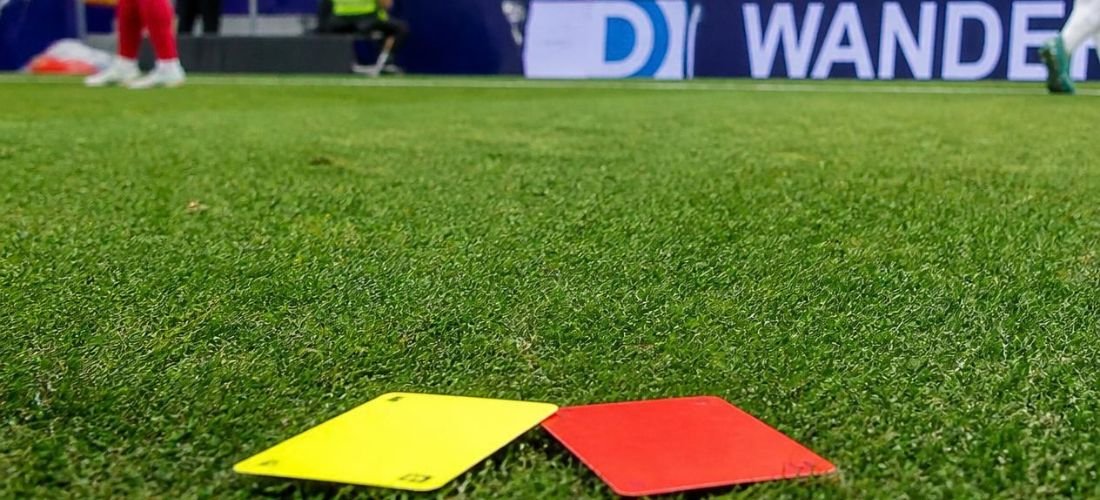
Yellow Card and Red Card Rules in Football Explained
Football is a fast-paced sport where players have to make quick decisions, compete for the ball, and follow a clear set of rules. When a player breaks certain rules, the referee can take disciplinary action. The two most common disciplinary cards in football are the yellow card and red card.
These cards help referees control the game and deal with fouls, misconduct, dangerous challenges, and other forms of unfair play. A yellow card is generally a warning, while a red card means the player must leave the field.
But what exactly does a yellow card mean in soccer? When is a red card given? How many yellow cards make a red card? And what happens to a team after a player is sent off?
This guide explains the yellow card and red card rules in football, their meaning, common reasons for receiving them, and how they can affect a match.
What Is a Yellow Card in Football?
A yellow card in football is a formal warning given by the referee to a player, substitute, team official, or other person covered by the competition rules for certain offences or misconduct.
When the referee shows a yellow card, it means the person has committed an offence serious enough to receive a disciplinary warning but does not normally have to leave the game immediately.
A yellow card can be given for different reasons, including:
- Committing a reckless foul
- Delaying the restart of play
- Showing dissent towards the referee
- Failing to respect the required distance at a restart
- Repeatedly breaking the rules
- Unsporting behaviour
- Entering or leaving the field without permission
- Deliberately attempting to deceive the referee
- Excessive celebration in certain situations
The exact application depends on the Laws of the Game and the circumstances of the incident.
What Does the Yellow Card Mean in Soccer?
The yellow card essentially tells the player:
“You have been officially cautioned for your behaviour.”
The player normally stays on the field after receiving the card. However, another yellow card later in the same match can lead to a red card and dismissal.
This makes playing with a yellow card important. A player who has already been booked needs to be careful because another cautionable offence may result in them being sent off.
What Is a Red Card in Football?
A red card in football means that a player has been sent off and must leave the field of play.
Unlike a yellow card, a red card is not simply a warning. It is a serious disciplinary decision that removes the player from the match.
A referee may show a red card for serious offences such as:
- Serious foul play
- Violent conduct
- Spitting at another person
- Denying an obvious goal-scoring opportunity through certain offences
- Using offensive, insulting, or abusive language or gestures
- Receiving a second yellow card in the same match
- Other offences that require a sending-off under the Laws of the Game
The circumstances matter. Not every foul that stops an attacking opportunity automatically results in a red card, and referees consider the specific situation under the applicable laws.
Yellow Card vs Red Card: What Is the Difference?
The simplest way to understand the difference between the two cards is:
| Yellow Card | Red Card |
|---|---|
| Formal caution | Sending-off |
| Player normally remains in the match | Player must leave the field |
| Used for cautionable offences | Used for sending-off offences |
| A player can receive a second yellow | A second yellow results in a red card |
| Does not immediately reduce the team’s players | Usually leaves the team playing with one fewer player |
So, a yellow card is primarily a caution, while a red card results in a dismissal.
What Is the Yellow and Red Card Rule in Football?
The yellow and red card rules in football are part of the Laws of the Game used to manage player behaviour and maintain fair competition.
Referees use cards when verbal warnings or normal decisions are not enough to deal with misconduct.
A referee does not necessarily show a card for every foul. A foul can result in a free kick, penalty, or other restart without a card depending on its nature and circumstances.
Cards are generally associated with disciplinary offences.
For example, a player may commit a minor foul without receiving a card. If the same player repeatedly commits offences, however, the referee may issue a yellow card for persistent infringement.
How Many Yellow Cards Make a Red Card?
One of the most commonly searched questions is:
How many yellow cards make a red card?
In a single match, two yellow cards received by the same player result in a red card.
The referee shows the second yellow card and then the red card. The player is sent off and cannot continue playing in that match.
For example:
- A player receives a yellow card in the 30th minute.
- The player continues playing.
- The player commits another cautionable offence in the 70th minute.
- The referee gives a second yellow card.
- The player is then sent off.
The player therefore receives two cautions followed by a red card.
This is different from simply saying that every two yellow cards across different matches automatically equal a red card. Competition regulations may apply additional disciplinary or suspension rules for accumulated cautions.
What Happens When a Player Gets a Red Card?
When a player receives a red card during a match, they must leave the field and its immediate surroundings as required by the Laws of the Game.
In most standard football matches, the team continues with fewer players.
For example, if a team starts with 11 players and one player is sent off, the team generally continues with 10 players.
The team cannot normally replace a player who has been sent off with a substitute.
This can have a major impact on the match because the remaining players have more space to cover and may need to change their formation or tactics.
Why Do Football Players Get Yellow Cards?
There are many situations where a referee may issue a yellow card.
1. Reckless Fouls
A player can be cautioned when a challenge is reckless. A reckless challenge means the player has acted with disregard for the danger or consequences to an opponent.
2. Unsporting Behaviour
Unsporting behaviour can include actions that attempt to unfairly influence the game or deliberately break the rules.
3. Dissent
Players are expected to respect the referee’s decisions. Excessive arguing, gestures, or other forms of dissent can result in a yellow card.
4. Delaying the Restart
Players cannot deliberately waste time when the game needs to restart.
For example, holding onto the ball after a decision has been made against the team can result in a caution.
5. Persistent Infringement
If a player repeatedly commits fouls or infringements, the referee may issue a yellow card even when the individual offences might not all have warranted a caution.
6. Entering or Leaving Without Permission
Players generally need the referee’s permission when entering or leaving the field in situations where permission is required.
Why Do Football Players Get Red Cards?
Red cards are reserved for more serious offences.
Serious Foul Play
A tackle or challenge that uses excessive force or endangers the safety of an opponent can be considered serious foul play.
Violent Conduct
Violent conduct involves using or attempting to use excessive force or brutality when the ball is not being challenged in the relevant manner.
Denying a Goal or Obvious Goal-Scoring Opportunity
Certain offences that prevent an obvious goal-scoring opportunity can result in a red card, depending on the circumstances and the applicable law.
Offensive, Insulting or Abusive Language
Serious use of offensive, insulting, or abusive language or gestures can also lead to a sending-off.
Second Yellow Card
A player who receives a second yellow card in the same match is sent off.
Can a Substitute Get a Yellow or Red Card?
Yes.
Cards are not limited to players currently on the field.
Depending on the situation and competition rules, substitutes and substituted players can also receive disciplinary sanctions. Team officials can also be cautioned or sent off for certain offences.
This is important because football discipline applies to the technical area and team officials as well as players.
Does a Yellow Card Affect the Player’s Team?
A single yellow card normally does not reduce the number of players on the field.
However, it can affect how a player approaches the rest of the match.
For example, a defender who has already received a yellow card may need to be more careful when making challenges. Another cautionable offence could result in a second yellow card and dismissal.
This can influence tactical decisions made by coaches.
A coach may decide to replace a booked player if there is a high risk of another caution, particularly when the player is in a position where frequent challenges are required.
Does a Red Card Affect the Whole Team?
Yes. A red card can significantly affect a team’s tactics.
When a player is sent off, the team normally continues with one fewer player. The coach may need to reorganise the formation.
For example, a team playing with four defenders, three midfielders, and three attackers may need to move into a more defensive shape after a red card.
The remaining players may have to:
- Defend more compactly
- Cover more space
- Reduce attacking risks
- Protect the lead
- Counterattack when opportunities appear
- Manage their energy carefully
This is one reason why avoiding unnecessary cards is an important part of football strategy.
Yellow and Red Cards in Youth Football
For young players, understanding disciplinary rules is an important part of learning football.
However, youth competitions can have specific rules that differ from senior football. Some youth leagues may use different disciplinary procedures or competition-specific regulations.
Young players should therefore learn to:
- Respect the referee
- Avoid dangerous challenges
- Follow the rules
- Control their emotions
- Avoid unnecessary arguments
- Play fairly
- Respect opponents and teammates
Good football development is not only about improving passing, shooting, dribbling, and fitness. It also includes understanding sportsmanship and responsible behaviour.
How Players Can Avoid Unnecessary Cards
Players cannot control every referee decision, but they can reduce the risk of unnecessary cautions.
Stay Disciplined
Avoid reckless tackles and unnecessary physical challenges.
Respect Referees
Disagreeing with a decision does not justify aggressive arguing or disrespectful behaviour.
Avoid Time-Wasting
Restart the game promptly when required.
Control Emotions
Football can be intense, especially during competitive matches. Players should learn to manage frustration and avoid retaliatory actions.
Understand the Rules
The better players understand the Laws of the Game, the easier it becomes to recognise risky situations.
Why Understanding Football Rules Matters
Learning the rules helps players make better decisions during matches.
A young player who understands what can result in a yellow or red card is more likely to control their actions. Coaches can also use disciplinary situations as teaching opportunities.
For parents and beginners, learning football rules can make watching and playing the game more enjoyable.
At Gallant Play, football is part of a broader sports environment where players can participate in sports activities, develop their skills, and enjoy an active lifestyle.
Whether a player is learning basic football skills or developing their game through regular practice, understanding the rules is an important part of becoming a better player.
Frequently Asked Questions
1. What is a yellow card in football?
Answer: A yellow card is a formal caution given by the referee for certain offences or misconduct. The player normally remains in the match but must avoid another cautionable offence.
2. What does a red card mean in football?
Answer: A red card means the player has been sent off and must leave the field. The team normally continues with one fewer player.
3. How many yellow cards make a red card?
Answer: Two yellow cards received by the same player in the same match result in a red card and dismissal.
4. What is the difference between a yellow card and a red card?
Answer: A yellow card is a caution, while a red card results in the player’s dismissal from the match.
5. Can a player get a red card without receiving a yellow card?
Answer: Yes. A player can be sent off directly for a sending-off offence such as serious foul play or violent conduct.
6. Can a substitute receive a yellow card?
Answer: Yes. Substitutes and substituted players can receive yellow cards under the Laws of the Game.
7. Why do referees give yellow cards?
Answer: Yellow cards are used for various cautionable offences, including reckless challenges, dissent, delaying restarts, persistent infringement, and unsporting behaviour.
8. Can a team replace a player who receives a red card?
In standard football, a team cannot normally replace a player who has been sent off, so it continues with fewer players. Competition-specific regulations can vary.
Final Thoughts
The yellow card and red card rules in football help referees manage matches and maintain discipline on the field.
A yellow card is generally a warning for a cautionable offence, while a red card results in a player’s dismissal. Two yellow cards received by the same player in one match lead to a red card.
For players, understanding these rules is just as important as learning passing, shooting, defending, and positioning. Good football combines skill with discipline, teamwork, respect, and knowledge of the game.
Whether you are a beginner, parent, coach, or football enthusiast, knowing what the yellow and red cards mean makes it easier to understand what is happening during a match.