



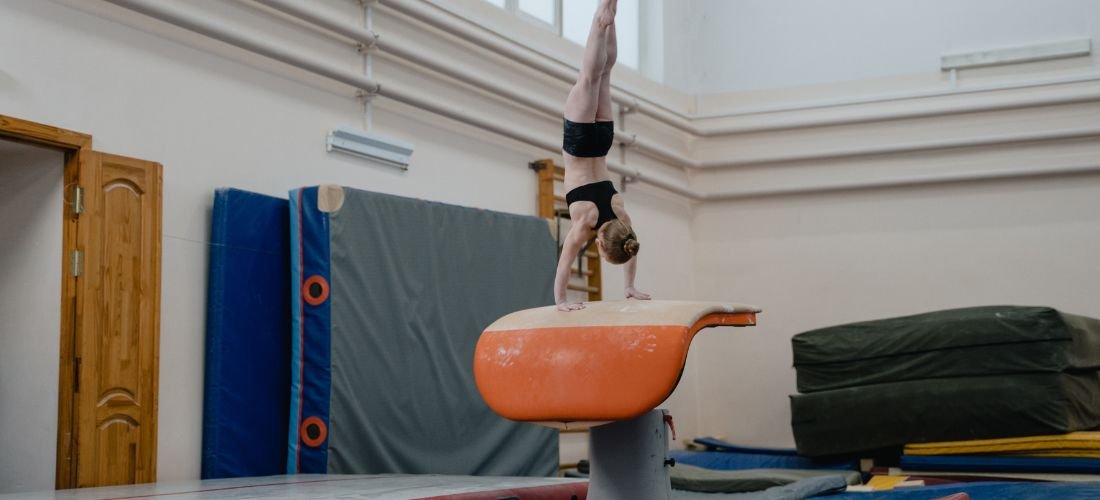
Top 8 Reasons Gymnastics Should Be Your Child’s First Sport
Choosing the right first sport for a child is an important decision for every parent. Sports not only help children stay active but also shape their physical, mental, and social development. While football, cricket, swimming, and basketball are popular choices, gymnastics stands out as one of the best foundation sports for children.
Gymnastics is much more than flips, rolls, and balance exercises. It helps children develop strength, flexibility, coordination, discipline, and confidence from an early age. The skills learned through gymnastics also support success in almost every other sport. That is why many coaches and sports experts recommend gymnastics as the ideal first sport for children.
At Gallant Play, we believe that introducing children to gymnastics at an early age can positively impact their overall growth and development. Whether a child later chooses football, cricket, swimming, dance, athletics, or any other activity, the physical and mental abilities developed through gymnastics create a strong foundation for future success.
In this article, we will discuss the top eight reasons why gymnastics should be your child’s first sport.
1. Gymnastics Builds a Strong Physical Foundation
One of the biggest benefits of gymnastics is that it develops overall body strength. Unlike some sports that focus mainly on specific muscles, gymnastics works the entire body.
Children perform activities such as
- Stretching
- Jumping
- Balancing
- Rolling
- Climbing
- Swinging
- Bodyweight exercises
These movements strengthen muscles, improve posture, and enhance body control.
A child who participates in gymnastics develops:
- Strong core muscles
- Better balance
- Improved flexibility
- Greater endurance
- Better coordination
These physical skills become useful in daily life and help children perform better in other sports as they grow older.
For example, many professional athletes in football, diving, athletics, and martial arts have gymnastics experience because it improves body awareness and movement control.
2. Improves Flexibility and Coordination
Children naturally have flexible bodies, and gymnastics helps maintain and improve this flexibility through regular stretching and movement exercises.
Flexibility is important because it:
- Reduces the risk of injuries
- Improves movement efficiency
- Enhances athletic performance
- Supports healthy posture
Gymnastics also improves coordination by teaching children how to move different parts of the body together effectively.
Activities such as balancing on beams, jumping, and performing movement patterns help children develop:
- Hand-eye coordination
- Foot-eye coordination
- Timing
- Spatial awareness
- Body control
Good coordination benefits children not only in sports but also in everyday activities such as writing, cycling, dancing, and playing.
3. Teaches Discipline and Focus
Gymnastics requires concentration and patience. Children learn to listen carefully to coaches, follow instructions, and practice movements repeatedly until they improve.
This process teaches important life skills such as:
- Discipline
- Responsibility
- Patience
- Focus
- Consistency
Unlike activities that provide instant results, gymnastics encourages children to understand that progress comes through regular practice and effort.
These lessons often extend beyond sports and help children in school, studies, and future careers.
Many parents notice that children involved in gymnastics develop better attention spans and stronger work habits.
4. Boosts Confidence and Self-Esteem
Every child experiences a sense of achievement when learning a new skill. Whether it is performing a forward roll, balancing independently, or mastering a jump, each success builds confidence.
Gymnastics provides many opportunities for children to set goals and achieve them step by step.
As children improve, they begin to believe in their abilities, which leads to:
- Higher self-confidence
- Better self-esteem
- Positive thinking
- Greater independence
Confidence developed through sports often influences other areas of life, including academics, communication, and social interactions.
Children who feel confident are more willing to take on challenges and try new experiences.
At Gallant Play, coaches create a supportive and encouraging environment where every child is celebrated for progress, no matter how small.
5. Creates a Strong Foundation for Other Sports
Gymnastics is often called the “mother of all sports” because it develops basic athletic skills needed in almost every sport.
Children learn:
- Running techniques
- Jumping skills
- Balance
- Agility
- Coordination
- Body control
These skills are essential in sports such as:
Football
Better balance and agility improve movement and ball control.
Basketball
Jumping ability and coordination help performance.
Swimming
Flexibility and body awareness support better techniques.
Cricket
Improved coordination helps batting, bowling, and fielding.
Athletics
Strength, speed, and balance improve overall performance.
Many elite athletes started with gymnastics before moving into their chosen sports.
Parents who are unsure which sport their child will ultimately choose can confidently begin with gymnastics because it prepares children for multiple activities.
6. Encourages Healthy Lifestyle Habits
In today’s digital age, children spend more time on screens than ever before. Mobile phones, tablets, video games, and television often reduce physical activity levels.
Gymnastics encourages children to:
- Stay active
- Exercise regularly
- Develop healthy habits
- Enjoy movement
Children who participate in sports from an early age are more likely to maintain active lifestyles as adults.
Regular physical activity also supports:
- Healthy weight management
- Better heart health
- Strong bones
- Improved muscle development
- Better sleep quality
Gymnastics makes fitness fun, helping children develop a positive relationship with exercise.
Instead of viewing physical activity as a task, children begin to enjoy moving, playing, and staying active.
7. Improves Social Skills and Teamwork
Although gymnastics often focuses on individual skills, children train in group environments where they interact with others.
Gymnastics classes teach children how to:
- Work with teammates
- Share equipment
- Respect others
- Encourage friends
- Follow group instructions
These interactions help develop social confidence and communication skills.
For younger children, sports environments often become a place where friendships are formed.
Learning in a group setting also teaches children important values such as:
- Respect
- Cooperation
- Sportsmanship
- Empathy
Strong social skills contribute significantly to a child’s emotional development.
At Gallant Play, children train in a fun and positive atmosphere where teamwork and friendship are encouraged.
8. Supports Mental and Emotional Development
The benefits of gymnastics go beyond physical fitness. Sports also play an important role in mental and emotional health.
Regular physical activity has been linked to:
- Reduced stress
- Better mood
- Improved concentration
- Higher energy levels
Gymnastics challenges children to solve movement problems, think creatively, and stay focused.
It also teaches resilience because children learn that mistakes are part of the learning process.
When children face challenges and continue practicing, they develop:
- Determination
- Emotional strength
- Problem-solving abilities
- Positive attitudes
These qualities are valuable throughout life.
Sports can also help children manage anxiety and build emotional balance, especially in today’s fast-paced world.
What Is the Best Age to Start Gymnastics?
Many experts recommend introducing children to gymnastics between the ages of 3 and 6 years.
At this age, children naturally enjoy:
- Running
- Jumping
- Climbing
- Balancing
Structured gymnastics programs help channel this energy into skill development.
However, children can begin gymnastics at almost any age. The focus should always be on enjoyment, learning, and gradual progress rather than competition.
Parents should choose programs that provide:
- Qualified coaches
- Safe equipment
- Age-appropriate activities
- Positive learning environments
How to Choose the Right Gymnastics Program
When selecting a gymnastics program, parents should consider:
Safety Standards
Ensure the facility uses proper equipment and safety measures.
Experienced Coaches
Qualified coaches understand child development and proper training techniques.
Child-Friendly Environment
A fun and supportive atmosphere helps children enjoy learning.
Balanced Training
Programs should focus on skill development, fitness, and enjoyment.
Progression Opportunities
Children should have opportunities to learn new skills as they grow.
At Gallant Play, we focus on creating engaging sports programs that support physical fitness, confidence, and skill development in children.
Final Thoughts
Gymnastics is one of the best sports for building a strong foundation in childhood. It develops strength, flexibility, balance, confidence, discipline, and social skills while preparing children for success in many other sports.
The top eight reasons gymnastics should be your child’s first sport include:
- Builds physical strength
- Improves flexibility and coordination
- Teaches discipline and focus
- Boosts confidence
- Creates a foundation for other sports
- Encourages healthy habits
- Improves social skills
- Supports mental and emotional growth
Every child deserves opportunities to move, learn, and grow through sports. Starting with gymnastics can provide lifelong benefits that extend far beyond the gym.
If you are looking for engaging sports programs for children, Gallant Play offers a supportive environment where young athletes can develop skills, stay active, and enjoy the journey of learning through sports.
Frequently Asked Questions
1. Is gymnastics a good first sport for children?
Answer: Yes. Gymnastics is an excellent first sport because it develops basic physical skills such as balance, flexibility, strength, coordination, agility, and body control that can benefit children in many other sports.
2. What is the best age for a child to start gymnastics?
Answer: Children can start basic gymnastics activities from around 3 years of age. Younger programs generally focus on fun, movement, balance, coordination, and basic skills rather than competitive training.
3. What are the main benefits of gymnastics for kids?
Answer: Gymnastics can help children improve physical strength, flexibility, coordination, balance, concentration, confidence, discipline, and social skills.
4. Can gymnastics help children in other sports?
Answer: Yes. The movement skills developed through gymnastics can provide a strong foundation for sports such as football, basketball, swimming, cricket, athletics, and skating.
5. Does gymnastics improve a child’s confidence?
Answer: Yes. Learning and mastering new skills can give children a sense of achievement and encourage them to take on new challenges, which can help build confidence and self-esteem.
6. Is gymnastics safe for children?
Answer: Gymnastics can be safe when children train under qualified supervision and use age-appropriate equipment and techniques. Parents should choose a facility that follows appropriate safety practices.
7. Does gymnastics improve flexibility and balance?
Answer: Yes. Regular gymnastics activities involve stretching, balancing, jumping, and controlled movements, which can help children develop flexibility, balance, coordination, and body awareness.
8. Why should parents choose gymnastics before specializing in one sport?
Answer: Gymnastics develops broad movement skills rather than focusing on one specific sport. This can give children a versatile physical foundation before they decide which sport they enjoy most.
9. Can beginners join gymnastics classes at Gallant Play?
Answer: Yes. Children who are new to gymnastics can start with age-appropriate activities and gradually develop their skills in a supportive sports environment at Gallant Play.