


A Beginner’s Guide to Football Positions
If you’ve ever watched a match and wondered why every player stands in a different area of the field, this guide is for you. Understanding football game positions makes the sport much easier to follow and enjoy. Every position for football has a unique responsibility, and together these football playing positions help a team defend, create chances, and score goals.
Whether you’re a beginner, a parent of a young footballer, or someone planning to join a football academy, learning the basics of each position will help you understand how the game really works.
What Are Football Positions?
Football is played by two teams of eleven players. Each player has a specific role that helps the team attack, defend, or control the match.
These roles are called football playing positions.
While players may move around during a game, they usually have one main position where they spend most of their time and perform specific responsibilities.
Think of a football team like a company:
| Department | Football Position |
|---|---|
| Security | Defenders |
| Managers | Midfielders |
| Sales Team | Forwards |
| Last Protection | Goalkeeper |
Every player contributes differently, but every role is equally important.
Why Football Positions Matter
Knowing the different football game positions helps players:
- Understand teamwork
- Improve decision-making
- Learn tactical awareness
- Choose the right position based on strengths
- Communicate better during matches
For fans, understanding positions makes every match more enjoyable because you’ll know why players move the way they do.
Football Positions at a Glance
| Position | Main Job | Traditional Number |
|---|---|---|
| Goalkeeper | Stop goals | 1 |
| Right Back | Defend right side | 2 |
| Left Back | Defend left side | 3 |
| Centre Back | Protect the center | 4,5 |
| Defensive Midfielder | Shield defense | 6 |
| Right Winger | Attack from right | 7 |
| Central Midfielder | Control midfield | 8 |
| Striker | Score goals | 9 |
| Attacking Midfielder | Create chances | 10 |
| Left Winger | Attack from left | 11 |
These numbers are traditional. Modern football clubs often assign different jersey numbers.
Goalkeeper (GK)
The goalkeeper is the only player allowed to use their hands inside the penalty area.
Without a reliable goalkeeper, even the strongest team can lose matches.
Main Responsibilities
- Save shots
- Catch crosses
- Organize defenders
- Start attacks
- Communicate with teammates
Modern goalkeepers also play with their feet and help build attacks from the back.
Skills Required
- Fast reflexes
- Strong communication
- Good positioning
- Confidence
- Ball distribution
Famous Goalkeepers
- Alisson Becker
- Emiliano Martínez
- Manuel Neuer
A goalkeeper is often called the team’s last line of defense.
Full-Backs (Left Back & Right Back)
Full-backs protect the sides of the field.
In modern football, they do much more than defend.
Many of today’s best full-backs constantly run forward to support attacks.
Responsibilities
- Stop wingers
- Win tackles
- Deliver crosses
- Support midfield
- Track opposing attackers
Key Skills
- Speed
- Stamina
- Crossing ability
- Defensive awareness
A good full-back may run more than 10 kilometers during one match.
Centre-Backs (CB)
Centre-backs protect the area directly in front of the goalkeeper.
They are usually the tallest and strongest players on the team.
Main Duties
- Block shots
- Win headers
- Clear dangerous balls
- Mark opposing strikers
- Organize the defensive line
Important Skills
- Strength
- Positioning
- Heading
- Tackling
- Calm passing
Modern centre-backs also help start attacks with accurate passing.
Defensive Midfielder (CDM)
The defensive midfielder plays just ahead of the defenders.
Many coaches call this player the “engine protector.”
Although they don’t always score goals, they often control the entire match.
Responsibilities
- Break up attacks
- Recover possession
- Protect defenders
- Pass accurately
- Control the game’s tempo
Skills Needed
- Reading the game
- Tactical awareness
- Passing
- Strength
- Patience
Many successful teams rely heavily on a disciplined defensive midfielder.
Central Midfielder (CM)
The central midfielder connects defense with attack.
This player often touches the ball more than anyone else.
They are responsible for controlling possession and moving the ball across the field.
Responsibilities
- Pass accurately
- Keep possession
- Support attacks
- Help defenders
- Switch play
Essential Skills
- Vision
- Passing
- Stamina
- Ball control
- Decision-making
A strong midfield often determines which team controls the game.
Wingers (LW & RW)
Wingers are among the fastest and most exciting players on the pitch. They play on the left and right sides of the attack and use their speed, dribbling, and creativity to beat defenders. Their job is to create goal-scoring opportunities by crossing the ball into the box or cutting inside to take a shot.
In modern football, many teams depend on their wingers to stretch the opposition’s defense and create space for teammates. That’s why wingers are considered one of the most influential football-playing positions in today’s game.
Main Responsibilities
- Take on defenders in one-on-one situations
- Deliver accurate crosses into the penalty area
- Create goal-scoring opportunities
- Score goals by cutting inside
- Help full-backs while defending
Key Skills
- Excellent pace
- Dribbling ability
- Quick decision-making
- Crossing accuracy
- Shooting from wide areas
Is This the Right Position for You?
You may enjoy playing as a winger if you:
- Love running with the ball
- Have good speed and agility
- Enjoy taking on defenders
- Can deliver accurate crosses
- Like playing an attacking role
Attacking Midfielder (CAM)
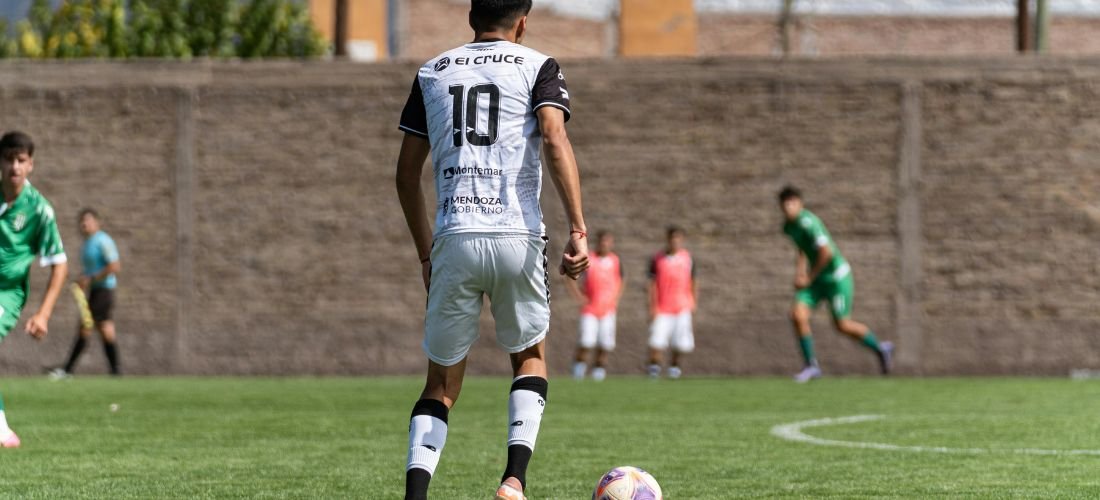
The attacking midfielder, often called the “Number 10,” is the creative heart of the team. Positioned between the midfield and the striker, this player creates scoring chances through intelligent passing, movement, and vision.
Among all football game positions, this role demands creativity and excellent football intelligence.
Main Responsibilities
- Create goal-scoring chances
- Deliver through balls
- Support the striker
- Score from outside the box
- Control attacking movements
Key Skills
- Vision
- Ball control
- Accurate passing
- Creativity
- Composure under pressure
A quality attacking midfielder often finishes the season with both goals and assists, making them one of the most valuable players on the team.
Striker (CF)
The striker is the team’s main goal scorer. Most attacks are built to create opportunities for this player to finish.
When people think about position for football, the striker is usually the first role that comes to mind because scoring goals is one of the most exciting parts of the game.
Main Responsibilities
- Score goals
- Hold up the ball
- Make intelligent runs
- Create space for teammates
- Pressure opposing defenders
Key Skills
- Clinical finishing
- Positioning
- First touch
- Strength
- Quick reactions
Different Types of Strikers
| Striker Type | Main Strength |
|---|---|
| Target Man | Strength and heading |
| Poacher | Finishing inside the box |
| False Nine | Drops deeper to create space |
| Complete Forward | Scores, assists, and links play |
Each type of striker contributes differently depending on the team’s playing style.
Understanding Football Formations
Learning football playing positions becomes much easier when you understand formations. A formation tells you how the 11 players are arranged on the field.
Here are some of the most common formations:
| Formation | Description | Best For |
|---|---|---|
| 4-4-2 | Four defenders, four midfielders, two strikers | Balanced play |
| 4-3-3 | Three attacking forwards | Offensive football |
| 4-2-3-1 | Strong midfield control | Possession-based teams |
| 3-5-2 | Three defenders and wing-backs | Midfield dominance |
| 5-3-2 | Five defenders | Defensive strategy |
Remember, formations can change during a match depending on the score, tactics, or the opponent.
How Positions Change During a Match
Although every player starts in a specific area, football is a dynamic game. Players constantly move to support teammates.
For example:
- Full-backs move forward to help attack.
- Wingers track back to defend.
- Midfielders cover empty spaces.
- Strikers press defenders to win possession.
- Goalkeepers act as an extra defender when needed.
This flexibility is what makes football exciting and unpredictable.
How to Choose the Best Football Position
Choosing the right position for football depends on your physical abilities, personality, and playing style. There is no “best” position—only the one that suits your strengths.
Choose Goalkeeper If You:
- Have quick reflexes
- Stay calm under pressure
- Enjoy organizing teammates
Choose Defender If You:
- Like tackling
- Read the game well
- Enjoy protecting your team
Choose Midfielder If You:
- Love passing
- Have high stamina
- Enjoy controlling the game
Choose Winger If You:
- Are naturally fast
- Like dribbling
- Enjoy attacking from wide areas
Choose Striker If You:
- Enjoy scoring goals
- Have good movement
- Stay confident in front of goal
Many young players try different football game positions before finding the role that suits them best.
Essential Skills Every Football Player Should Learn
No matter which position you play, these skills are important:
- Ball control
- Passing
- Shooting
- Tackling
- Dribbling
- Communication
- Positioning
- Fitness
- Teamwork
- Decision-making
Professional players spend years improving these fundamentals because every football-playing position relies on them.
Common Mistakes Beginners Make
If you’re new to football, avoid these common mistakes:
1. Chasing the Ball
Beginners often follow the ball everywhere instead of staying in position.
2. Ignoring Teamwork
Football is a team sport. Passing is usually better than trying to dribble past everyone.
3. Forgetting Defensive Duties
Even attacking players must help defend when their team loses possession.
4. Poor Communication
Talking to teammates improves coordination and reduces mistakes.
5. Focusing Only on Scoring
Goals are important, but defending, passing, and creating chances are equally valuable.
Beginner Tips to Improve Faster
- Watch professional football matches and observe player movement.
- Practice passing with both feet.
- Improve your fitness with regular running and agility drills.
- Train consistently rather than occasionally.
- Listen carefully to your coach’s instructions.
- Play small-sided games to develop quick decision-making.
- Learn the basics of every position before specializing.
Understanding different football game positions will also make you a smarter player, even if you eventually focus on just one role.
Modern Football Positions You Should Know
Football has changed significantly over the years. While the traditional positions remain the foundation of the game, modern coaches often give players more flexible roles. A player may start in one area but move into different spaces depending on the team’s tactics.
Here are some modern football roles you’ll often hear about:
| Modern Role | Description |
|---|---|
| Sweeper Keeper | A goalkeeper who comes out of the box to clear danger and help build attacks. |
| Wing-Back | A defender who frequently joins the attack and provides width. |
| Box-to-Box Midfielder | Covers almost every area of the pitch, contributing in both attack and defense. |
| Deep-Lying Playmaker | Controls the game from deep midfield with accurate passing. |
| False Nine | A striker who drops into midfield to create space and confuse defenders. |
| Inverted Winger | A winger who cuts inside to shoot or create chances with their stronger foot. |
These roles are becoming increasingly common in professional football and add more variety to traditional football playing positions.
Football Position Numbers Explained
Even though jersey numbers are more flexible today, traditional football numbers still represent certain positions.
| Jersey Number | Position |
|---|---|
| 1 | Goalkeeper |
| 2 | Right Back |
| 3 | Left Back |
| 4 | Centre Back |
| 5 | Centre Back |
| 6 | Defensive Midfielder |
| 7 | Right Winger |
| 8 | Central Midfielder |
| 9 | Striker |
| 10 | Attacking Midfielder |
| 11 | Left Winger |
Knowing these numbers makes it easier to understand match commentary and team line-ups.
Which Football Position Is the Most Important?
This is one of the most common questions beginners ask.
The truth is that there isn’t a single “most important” position for football. Every player contributes differently:
- Goalkeepers prevent goals.
- Defenders protect the back line.
- Midfielders control possession.
- Wingers create attacking opportunities.
- Strikers finish chances.
A successful football team wins because every player performs their role well. One weak position can affect the entire team’s performance.
How Coaches Decide Player Positions
Coaches don’t assign positions randomly. They observe a player’s natural strengths during training and matches.
Some of the factors they consider include:
- Speed and acceleration
- Height and physical strength
- Passing ability
- Ball control
- Tactical understanding
- Decision-making
- Communication
- Stamina
- Confidence under pressure
For young players, it’s common to try several football game positions before settling into one as they develop.
Tips for Parents of Young Football Players
If your child is just starting football, remember that development takes time. Avoid encouraging them to focus only on scoring goals.
Instead:
- Let them experience different positions.
- Support learning rather than winning.
- Encourage teamwork and discipline.
- Celebrate improvement, not just results.
- Make training enjoyable.
Many professional footballers played multiple positions during their youth before finding the role that suited them best.
Frequently Asked Questions
1. What are the main football-playing positions?
Answer: The main football playing positions are goalkeeper, defenders, midfielders, wingers, attacking midfielders, and strikers. Each position has a specific responsibility that helps the team attack or defend effectively.
2. Which football position is best for beginners?
Answer: There is no single best position. Beginners should try different positions during training to discover where their skills and confidence fit best.
3. Which football position runs the most?
Answer: Central midfielders usually cover the greatest distance during a match because they contribute in both attack and defense throughout the game.
4. Can a football player change positions?
Answer: Yes. Many players switch positions during their careers as they gain experience, improve different skills, or adapt to their team’s tactical needs.
5. Why is teamwork important in football?
Answer: Football is a team sport where every position depends on the others. Strong communication, passing, and coordination often make a bigger difference than individual talent alone.
6. What is the easiest football position to learn?
Answer: Every position has its own challenges. Beginners often start in wider positions or midfield to develop their basic passing, movement, and ball-control skills before specializing.
Quick Summary
Here’s a simple overview of every major position:
| Position | Primary Role | Key Skill |
|---|---|---|
| Goalkeeper | Protect the goal | Reflexes |
| Full-Back | Defend wide areas | Stamina |
| Centre-Back | Stop attackers | Strength |
| Defensive Midfielder | Shield the defense | Positioning |
| Central Midfielder | Control the game | Passing |
| Winger | Create attacks | Speed |
| Attacking Midfielder | Create chances | Vision |
| Striker | Score goals | Finishing |
Final Thoughts
Understanding football game positions is one of the first steps toward enjoying and improving at football. Whether you dream of becoming a reliable goalkeeper, a creative midfielder, a fast winger, or a clinical striker, every position for football has a valuable role to play.
As you watch more matches and spend more time on the training ground, you’ll begin to recognize how each player’s movement, positioning, and decision-making influence the game. The more you learn about football playing positions, the easier it becomes to appreciate tactics, teamwork, and individual performances.
If you’re just starting your football journey, don’t rush to master one position immediately. Practice the fundamentals, stay open to learning different roles, and enjoy the process. With regular training, patience, and guidance from experienced coaches, you’ll naturally discover the position that best matches your strengths.