


What Is the Difference Between Skating and Skateboarding?
Skating and skateboarding are two popular activities that people often confuse with each other. While both involve movement, balance, and outdoor fun, there are significant differences between skating and skateboarding in terms of equipment, techniques, learning curve, and playing surfaces. Understanding these differences can help beginners choose the right sport based on their interests, fitness goals, and comfort level.
Whether you’re looking for a recreational activity, a competitive sport, or a fun way to stay active, knowing how skating and skateboarding differ can help you make a better decision.
Understanding Skating
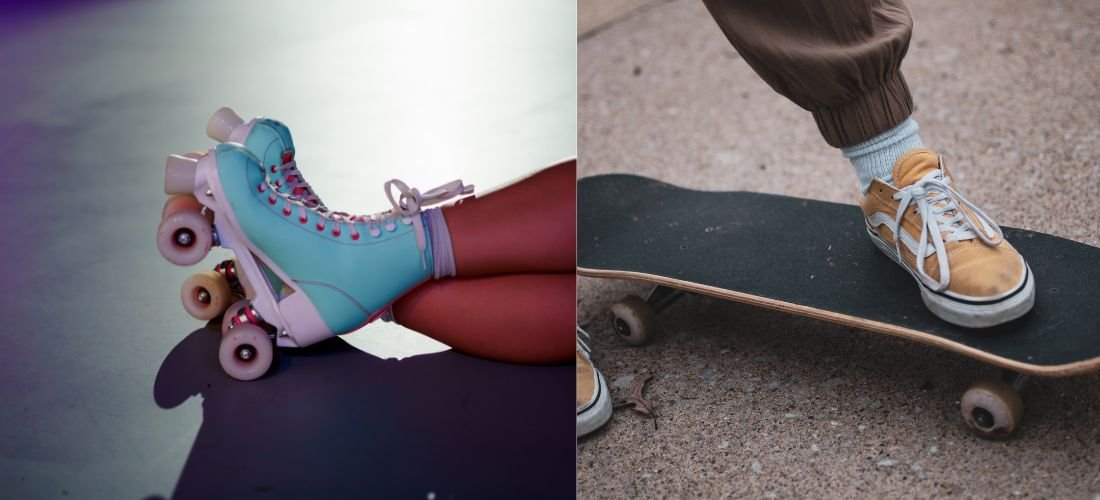
Skating generally refers to roller skating or inline skating, where wheels are attached directly to footwear. The skater moves by pushing against the ground with their legs while maintaining balance on skates.
There are two main types of skating:
Roller Skating
Roller skates have four wheels arranged in a rectangular pattern, providing good stability and balance.
Inline Skating
Inline skates have wheels arranged in a single straight line, making them faster and more maneuverable.
Skating is popular among children, teenagers, and adults because it combines exercise, recreation, and skill development.
Benefits of Skating
- Improves balance and coordination
- Strengthens leg muscles
- Enhances cardiovascular fitness
- Burns calories effectively
- Helps improve focus and concentration
- Suitable for various age groups
Understanding Skateboarding
Skateboarding involves riding and performing tricks on a skateboard, which consists of a deck mounted on wheels through trucks.
Unlike skating, where wheels are attached to your feet, skateboarding requires standing on a board and controlling movement through body weight, foot placement, and balance.
Skateboarding has evolved into a globally recognized sport and became an Olympic event in 2021.
Benefits of Skateboarding
- Builds core strength
- Improves balance and reflexes
- Encourages creativity and self-expression
- Develops problem-solving skills
- Enhances confidence through skill progression
- Provides an exciting recreational experience
Skating and Skateboarding: Key Differences
The easiest way to understand the distinction between skating and skateboarding is through a detailed comparison.
| Feature | Skating | Skateboarding |
|---|---|---|
| Equipment | Roller skates or inline skates | Skateboard |
| Foot Attachment | Wheels attached to feet | Stand on a board |
| Balance Style | Balanced directly on skates | Balanced on moving deck |
| Learning Curve | Easier for beginners | More challenging initially |
| Tricks | Spins, jumps, dance moves | Ollies, flips, grinds |
| Speed Control | Foot braking or skate brakes | Foot braking and board control |
| Terrain | Smooth rinks, tracks, roads | Skateparks, ramps, streets |
| Olympic Sport | Inline speed skating disciplines | Street and park skateboarding |
| Risk Level | Moderate | Moderate to high |
| Popular Age Group | Children to adults | Teenagers and young adults |
Equipment Used in Skating
The equipment required for skating is relatively simple.
Essential Skating Gear
- Roller skates or inline skates
- Helmet
- Knee guards
- Elbow pads
- Wrist guards
- Comfortable clothing
Quality protective equipment is particularly important for beginners to reduce injury risks.
Equipment Used in Skateboarding
Skateboarding requires a different setup.
Essential Skateboarding Gear
- Skateboard deck
- Trucks
- Wheels
- Bearings
- Helmet
- Knee pads
- Elbow pads
- Skate shoes
Skateboarders often invest in specialized shoes because they provide better grip and board control.
Which Is Easier to Learn?
Many beginners ask whether skating or skateboarding is easier.
For most people, skating is generally easier to start because:
- Both feet are independently balanced.
- Movement feels more natural.
- Stopping techniques are easier to learn.
- Stability is higher, especially with roller skates.
Skateboarding usually requires more patience because:
- You must balance on a moving board.
- Turning techniques take time to master.
- Learning tricks involves repeated practice.
- Falls can be more frequent during the beginner stage.
However, individual experiences may vary depending on age, coordination, and previous sports experience.
Fitness Benefits of Skating and Skateboarding
Both activities provide excellent physical exercise.
Fitness Benefits of Skating
Skating can:
- Improve endurance
- Strengthen lower-body muscles
- Increase flexibility
- Enhance cardiovascular health
- Improve posture
A moderate skating session can burn a significant number of calories while remaining enjoyable.
Fitness Benefits of Skateboarding
Skateboarding can:
- Strengthen core muscles
- Improve reaction time
- Enhance balance
- Develop agility
- Build muscular endurance
Because skateboarding often involves repeated trick attempts, it can also provide a high-intensity workout.
Safety Considerations
Safety should always be a priority regardless of whether you choose skating or skateboarding.
Safety Tips for Skating
- Wear a helmet at all times.
- Practice on smooth surfaces.
- Learn proper stopping techniques.
- Avoid crowded areas initially.
- Inspect skates regularly.
Safety Tips for Skateboarding
- Use certified protective gear.
- Start with basic riding skills.
- Practice in designated skateparks.
- Check board components regularly.
- Learn how to fall safely.
Beginners often underestimate the importance of protective equipment, but it can prevent serious injuries.
Suitable Surfaces for Skating
Skating performs best on:
- Indoor skating rinks
- Smooth sports courts
- Dedicated skating tracks
- Flat concrete paths
- Asphalt roads with minimal cracks
Poor surface quality can significantly affect skating performance and safety.
Suitable Surfaces for Skateboarding
Skateboarding works best on:
- Skateparks
- Smooth concrete areas
- Urban plazas
- Specialized ramps
- Street skating environments
Skateboarders often seek surfaces that support tricks and technical maneuvers.
Social and Competitive Opportunities
Both sports offer strong communities and competitive pathways.
Skating Competitions
Common skating competitions include:
- Speed skating
- Artistic skating
- Inline freestyle
- Roller derby
Skateboarding Competitions
Popular skateboarding formats include:
- Street competitions
- Park competitions
- Vert competitions
- Best trick contests
The growth of international competitions has increased participation worldwide.
Choosing Between Skating and Skateboarding
The right choice depends on your goals and interests.
Choose skating if you:
- Want a smoother learning experience
- Enjoy fitness-focused activities
- Prefer stable movement
- Like recreational riding
Choose skateboarding if you:
- Enjoy challenges
- Want to learn tricks
- Prefer creative sports
- Like skatepark environments
Many enthusiasts eventually try both sports because each offers unique experiences and skill development opportunities.
How Parents Can Choose the Right Sport for Children
Parents often wonder whether skating or skateboarding is better for kids.
Factors to consider include:
- Child’s age
- Interest level
- Available facilities
- Safety considerations
- Learning support
Younger children often adapt quickly to skating due to its stability, while older children may enjoy the creativity and excitement of skateboarding.
Why Quality Sports Infrastructure Matters
Whether someone chooses skating or skateboarding, the quality of the playing surface significantly impacts safety and performance.
Properly designed sports flooring can:
- Reduce injury risks
- Improve rider confidence
- Enhance performance
- Increase equipment lifespan
- Support skill development
At Gallant Play, we believe that well-maintained sports facilities encourage greater participation and provide safer environments for athletes of all skill levels.
Common Myths About Skating and Skateboarding
Myth 1: Skateboarding Is Only for Teenagers
Reality: People of all ages enjoy skateboarding recreationally and competitively.
Myth 2: Skating Is Easier Than Skateboarding for Everyone
Reality: Learning experiences vary from person to person.
Myth 3: Protective Gear Is Optional
Reality: Safety equipment significantly reduces injury risk.
Myth 4: Both Sports Use Similar Skills
Reality: While balance is important in both, the techniques and movements differ substantially.
Final Thoughts
The difference between skating and skateboarding goes beyond the equipment used. Skating focuses on movement using skates attached to your feet, while skateboarding involves balancing and maneuvering a separate board. Both sports offer excellent fitness benefits, skill development opportunities, and recreational enjoyment.
If you’re a beginner looking for a smoother learning curve and steady progression, skating may be the better choice. If you enjoy challenges, tricks, and creative expression, skateboarding could be the perfect fit.
Ultimately, the best option is the one that keeps you active, motivated, and excited to practice regularly.
FAQs
1. What is the main difference between skating and skateboarding?
Answer: The main difference between skating and skateboarding is the equipment used. In skating, wheels are attached directly to your feet through roller skates or inline skates. In skateboarding, you ride and balance on a skateboard that moves beneath your feet.
2. Which is easier to learn, skating or skateboarding?
Answer: For most beginners, skating is generally easier to learn because it offers better stability and more natural movement. Skateboarding often requires additional practice to master balance, turning, and basic tricks.
3. Is skating safer than skateboarding?
Answer: Both sports have risks, but skating is often considered slightly safer for beginners due to its stable wheel setup. Regardless of the sport, wearing a helmet, knee pads, elbow pads, and wrist guards is essential.
4. Can children learn both skating and skateboarding?
Answer: Yes, children can learn both activities. Younger kids often start with skating because it is easier to balance, while older children and teenagers may enjoy the challenge and creativity of skateboarding.
5. What equipment is needed for skating?
Answer: Basic skating equipment includes:
- Roller skates or inline skates
- Helmet
- Knee pads
- Elbow pads
- Wrist guards
- Comfortable sportswear
6. What equipment is needed for skateboarding?
Answer: To start skateboarding, you will need:
- A skateboard
- Helmet
- Knee pads
- Elbow pads
- Skateboarding shoes
- Wrist guards (recommended for beginners)
7. Which burns more calories: skating or skateboarding?
Answer: Both activities provide excellent exercise. Skating typically offers a more consistent cardiovascular workout, while skateboarding combines cardio with strength and balance training. The number of calories burned depends on intensity, duration, and skill level.
8. Can skating and skateboarding help improve fitness?
Answer: Yes. Both sports improve:
- Balance and coordination
- Muscle strength
- Endurance
- Agility
- Overall cardiovascular health
9. Where can I practice skating and skateboarding?
Answer: Skating is best practiced on smooth tracks, sports courts, and skating rinks. Skateboarding is commonly practiced in skateparks, ramps, and smooth urban spaces designed for riding and tricks.
10. Is skateboarding an Olympic sport?
Answer: Yes. Skateboarding became an official Olympic sport at the Tokyo Olympics 2020 and continues to be featured in international competitions.
11. What age is best to start skating or skateboarding?
Answer: Children can start learning basic skating or skateboarding as early as 4–6 years old with proper supervision and safety equipment. There is no age limit, and adults can successfully learn both sports as well.
12. Which is better for beginners: skating or skateboarding?
Answer: If your goal is recreational fitness and easier learning, skating is usually a good starting point. If you’re interested in tricks, creativity, and skatepark culture, skateboarding may be the better choice.
13. Can I learn skating and skateboarding at the same time?
Answer: Yes. Many sports enthusiasts enjoy both activities. Learning one can help improve balance and coordination, which may make it easier to progress in the other.
14. Why is a quality skating or skateboarding surface important?
Answer: A well-designed skating or skateboarding surface helps:
- Improve performance
- Reduce the risk of injuries
- Increase confidence for beginners
- Provide a smoother riding experience
- Extend equipment lifespan
15. How do I choose between skating and skateboarding?
Answer: Consider your goals:
- Choose skating if you want fitness, speed, and easier learning.
- Choose skateboarding if you enjoy tricks, creativity, and technical challenges.
Both sports are fun, rewarding, and great ways to stay active.